Featured capability
Automation Equipment Design
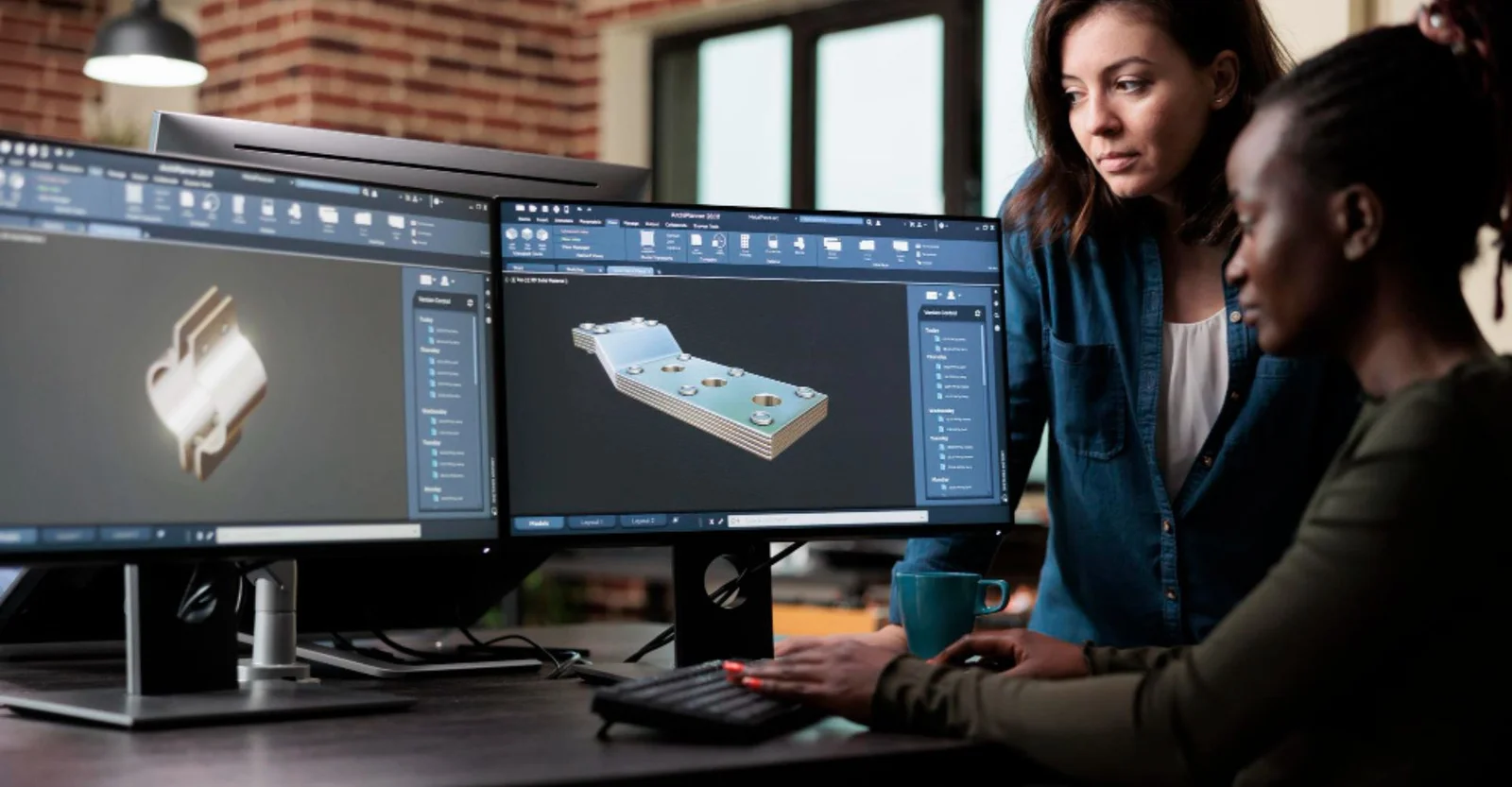
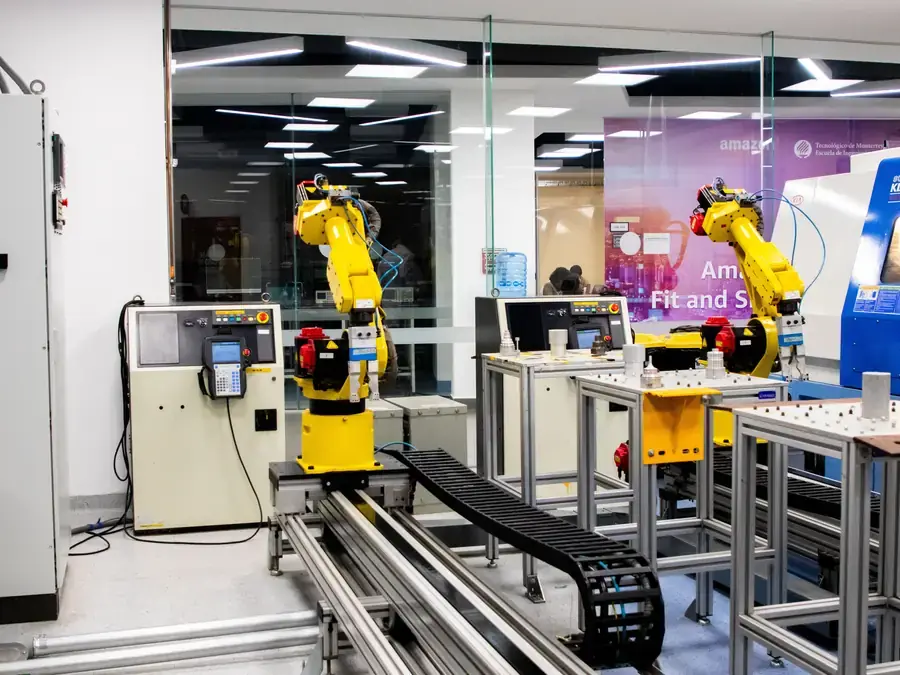
Mechanical design for automation cells, fixtures, EOAT, guarding interfaces, production layouts, reach checks and interference review around the automated process.
View service
For machinery OEMs, automation integrators and engineering teams
Mechanical design, FEA and CFD validation, DFM, engineering drawings and supplier handover for industrial machinery from concept through prototype support.
Machinery design capability
Fabrixon connects mechanical design, validation, manufacturability review and controlled documentation so the CAD model, engineering assumptions and supplier information remain aligned before release.
Mechanisms, frames, fixtures, layouts, interfaces and 3D CAD development around the machine requirement.
FEA and CFD where structural, thermal or flow behaviour needs quantitative evidence before a decision is made.
Fabrication method, assembly sequence, access, tolerances and supplier considerations reviewed during design.
Engineering drawings, BOMs, revision information and agreed supplier documentation developed alongside the design.
Ways to work
Engage Fabrixon for a defined machinery programme, a recurring engineering workstream, or a specific technical scope inside an existing project.
From initial brief through concept design, CAD, validation where required, DFM, drawings, BOMs and supplier documentation under one project structure.
Complete programme Discuss a machinery project 02A coordinated engineering team for larger or recurring workstreams involving machinery design, validation studies, drawing releases, supplier requests and design changes.
Recurring capacity Discuss dedicated capacity 03Structural FEA, CFD, DFM review, drawing packages, supplier documentation, machinery redesign or mechanical design support fitted into your existing project.
Specific scope Discuss a defined scopeService scope
Connected mechanical engineering services for machinery, automation equipment, fabricated assemblies and the documentation required around them.
Featured capability
Mechanical design for automation cells, fixtures, EOAT, guarding interfaces, production layouts, reach checks and interference review around the automated process.
View service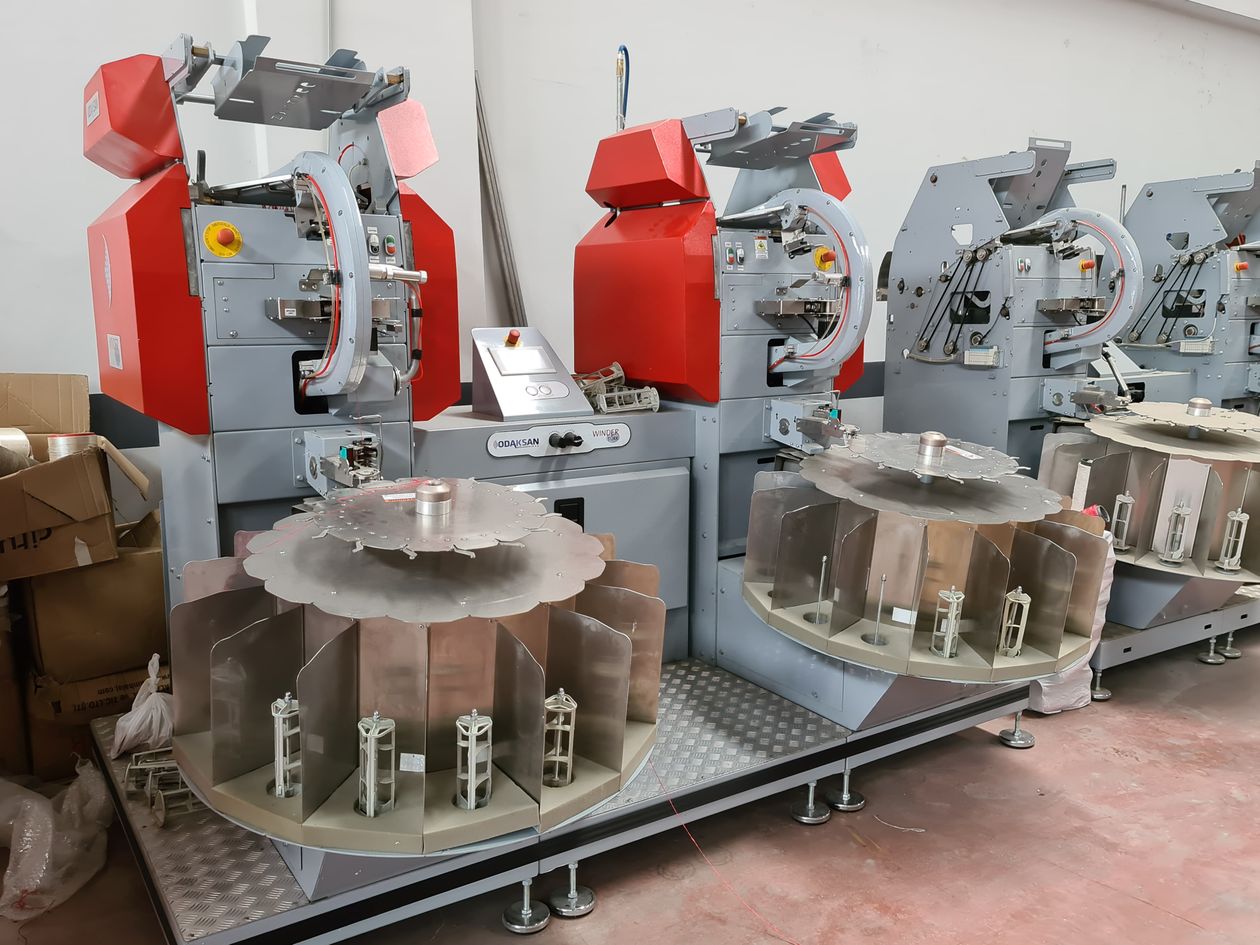 02
02Custom machines, test rigs and production equipment developed into coordinated mechanical engineering packages.
View service →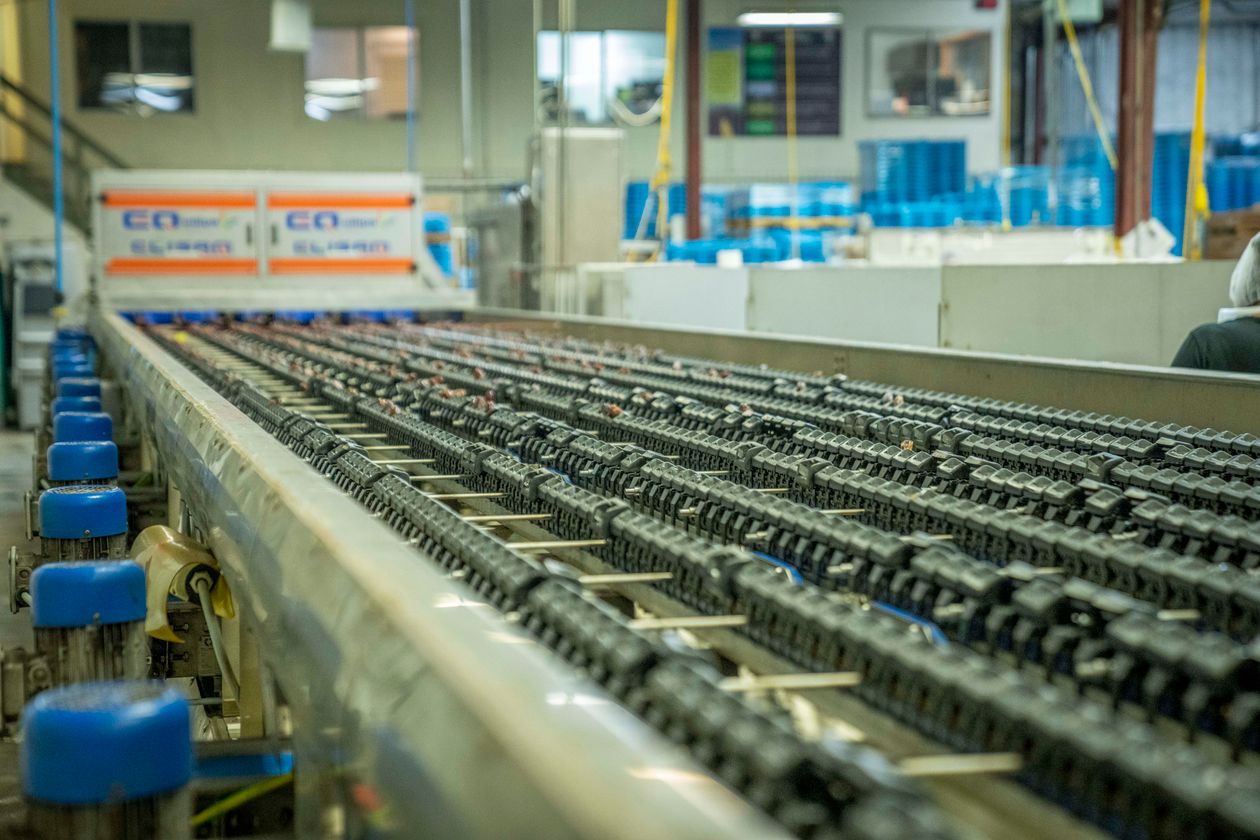 03
03Belt, roller, chain, slat and transfer systems including frames, access, interfaces and line integration.
View service →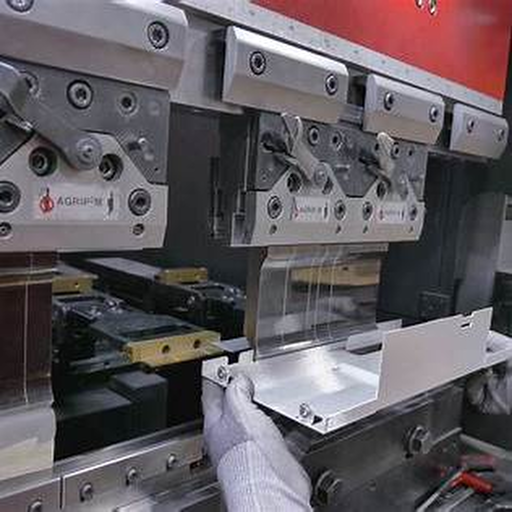 04
04Enclosures, guards, brackets and panels with flat patterns, bend information and supplier-ready outputs.
View service → 05
05Mechanical interfaces for controls systems covering mounting, routing zones, access and sensor positions.
View service → 06
06Machine frames, bases and structural supports developed around load paths, stiffness, access and fabrication.
View service → 07
07GD&T, assembly and detail drawings with BOMs, revision control, CAD exports and supplier handover information.
View service →Typical project triggers
Machinery projects reach Fabrixon at different stages. These are the four situations that most often start the conversation.
A sketch or early CAD model needs its mechanisms, structure, interfaces, drawings, BOMs, validation needs and handover requirements defined before quotation or fabrication.
Loads, deflection, fatigue risk, frame stiffness, thermal behaviour, flow behaviour or access requirements need review before material is ordered or fabrication begins.
New equipment, machine variants, drawing updates, validation studies and supplier requests are moving faster than the internal team can support.
Drawings, supplier information, guarding interfaces, validation evidence and project-specific documentation need to be aligned before the design is issued.
Engineering approach
The engineering lifecycle behind a machinery package, from defining the requirement through validated design and controlled documentation.
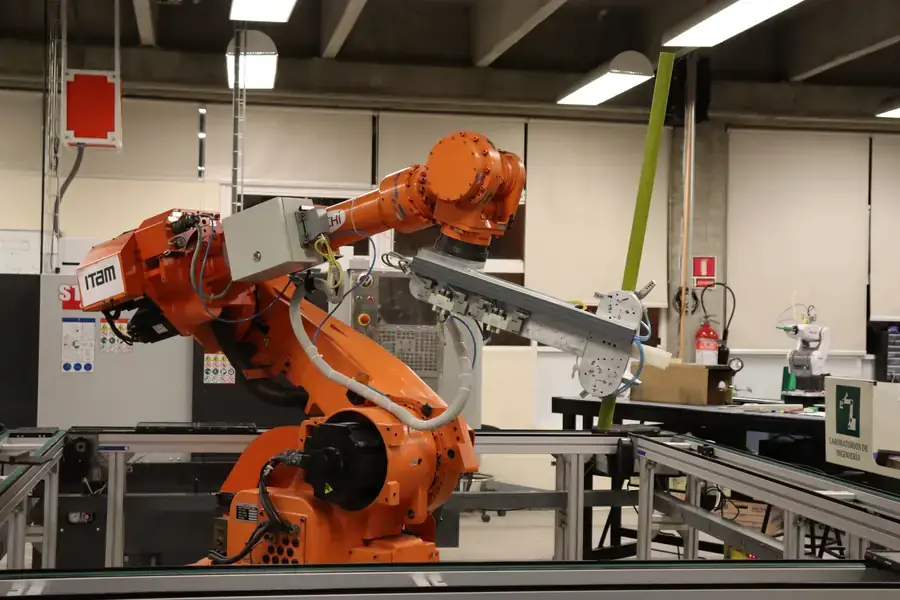
We capture the duty, loads, interfaces, operating conditions, constraints and applicable standards, then develop the mechanism and concept around those requirements.
CAD assemblies, mechanisms, frame design, access requirements, interfaces and manufacturing details are developed around the agreed engineering basis.
Where required, analysis reviews load paths, stiffness, deflection, fatigue risk, thermal behaviour or flow behaviour, with assumptions and interpretation documented.
The design is reviewed for fabrication method, assembly sequence, access, supplier input, tolerances and cost drivers before late-stage changes become expensive.
Drawings, BOMs, validation reports and supporting documentation are issued under revision control, with agreed support for supplier queries and design updates.
Selected work
Selected machinery scopes showing how mechanical design, interfaces, structural considerations and controlled documentation come together around real equipment.
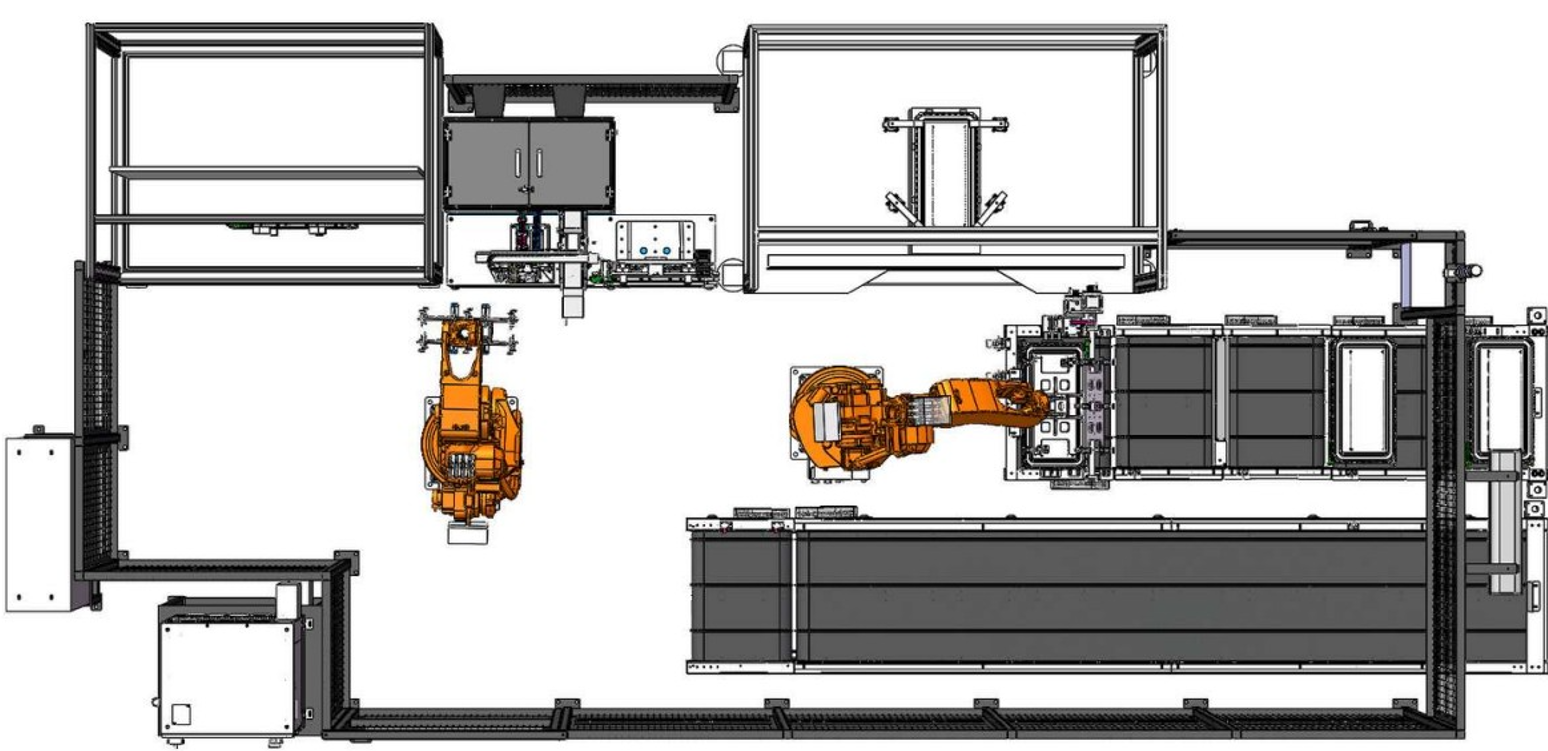
Mechanical integration of OEM process modules, twin robots, conveyors and safety infrastructure into a production workcell.
View case study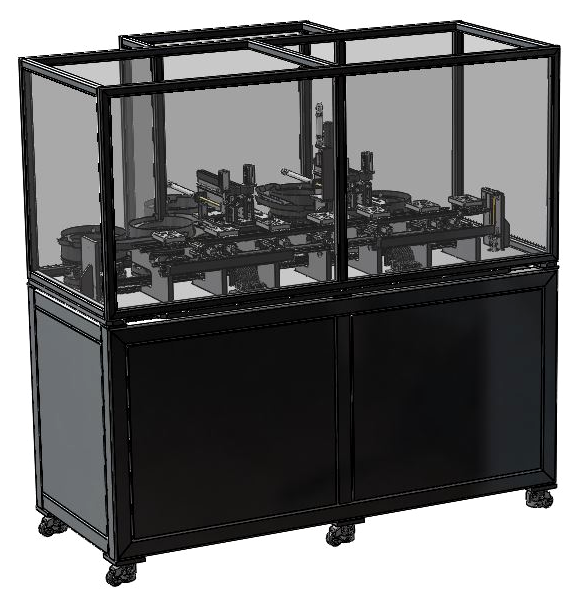
Mechanical design of a guarded assembly machine combining bowl feeding, datum controlled carriers and repeated pick and place stations for packaging component assembly.
View case study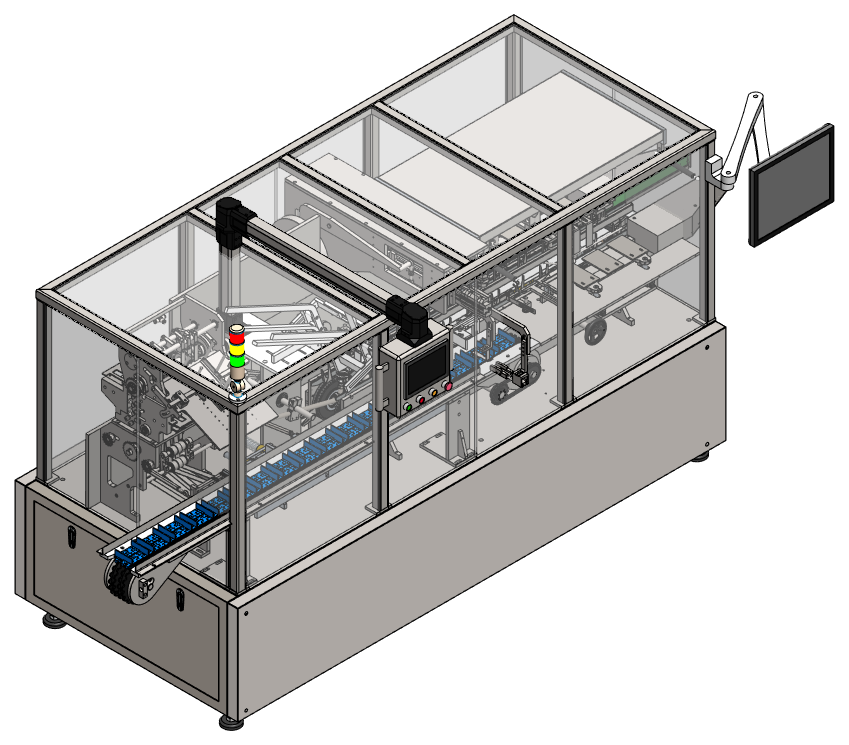
Mechanical design of an intermittent horizontal cartoner integrating product infeed, carton handling, timed transfer, insertion, flap control and guarded operator access.
View case study
Technical leadership
Muhammad Owais
Lead Mechanical Design Engineer
Leads mechanical design work across machinery, equipment and engineered products, with a focus on CAD development, design detailing and practical manufacturing considerations.
LinkedInHow engagements work
A clear engagement path keeps the technical and commercial basis defined without turning the service page into a process manual.
Share the machine requirement, design problem, validation need, available information and expected outcome so we can understand the engineering scope.
Agree the inputs, assumptions, deliverables, review points, timing and delivery model before detailed engineering work begins.
Develop, analyse or review the agreed scope through defined technical checkpoints, raising issues and decisions as the work progresses.
Issue models, drawings, reports and agreed records under revision control, with clarification and follow-on support provided as scoped.
Two ways to engage: defined engineering projects for a clear scope and endpoint, or dedicated engineering capacity for recurring workload and changing priorities.
Typical deliverables
Deliverables are agreed around the scope and manufacturing route, so the information needed for review, procurement and supplier handover is developed as part of the engineering work.
CAD · drawings · validation evidence · BOMs · DFM notes · handover information
GD&T, assembly, detail and weldment drawings issued as controlled packages for internal and supplier review.
Native CAD files where agreed, with STEP, IGES, DXF and DWG exports for downstream use.
FEA or CFD reports documenting the model, assumptions, key results, interpretation and recommendations where scoped.
Structured BOMs, material specifications, purchased-part references and supplier information aligned with the released design.
Mechanical interface notes, revision records, supplier comments, assumptions and project-specific handover information where required.
Manufacturability, tolerance, assembly and cost-driver observations with practical redesign recommendations where review is included.
Questions technical buyers ask
Industrial machinery design engineering develops a machine from a concept, requirement, existing CAD model or production problem into a controlled mechanical engineering package. Scope may include machine architecture, mechanisms, frames, fixtures, CAD assemblies, drawings, BOMs, validation where required, DFM review and supplier handover.
Yes. Fabrixon can begin from a written brief, sketch, rough CAD model, legacy drawing, supplier information, site photographs, an existing machine or a production issue. The first step is to confirm the duty, loads, interfaces, constraints, standards, available inputs and required deliverables.
Yes. We support redesign of machines, components, frames, weldments, mechanisms, access features and documentation. The work may include DFM changes, drawing updates, supplier feedback, and FEA or CFD where structural, thermal or flow performance needs to be checked.
Yes. FEA can assess load paths, stiffness, deflection, fatigue risk, frames, brackets and weldments. CFD can assess airflow, thermal behaviour, pressure drop and flow distribution. Reports document the model, assumptions, boundary conditions, key results, interpretation and recommendations.
Yes. Deliverables can include GD&T drawings, assembly and weldment drawings, structured BOMs, material notes, revision-controlled files, CAD exports, supplier information and project-specific handover notes. The level of detail is agreed around the manufacturing route and supplier requirements.
Fabrixon owns the agreed mechanical scope. Electrical, controls, fabrication, certification and commissioning remain client or specialist led. We coordinate mechanical interfaces, access, mounting provisions, layouts, routing allowances and documentation so the connected disciplines remain aligned.
Timeline and pricing depend on design maturity, complexity, deliverables, analysis needs, review cycles and supplier involvement. Small redesign or drawing scopes may take days; larger machinery programmes may take several weeks or longer. The proposal confirms the delivery model, assumptions, exclusions, schedule and price before work begins.
Next step
Send the brief, drawings, CAD model or problem statement. Your first conversation is with an engineer who can review the starting point, flag missing inputs and advise the next practical step.
A brief outline is enough to start the conversation.