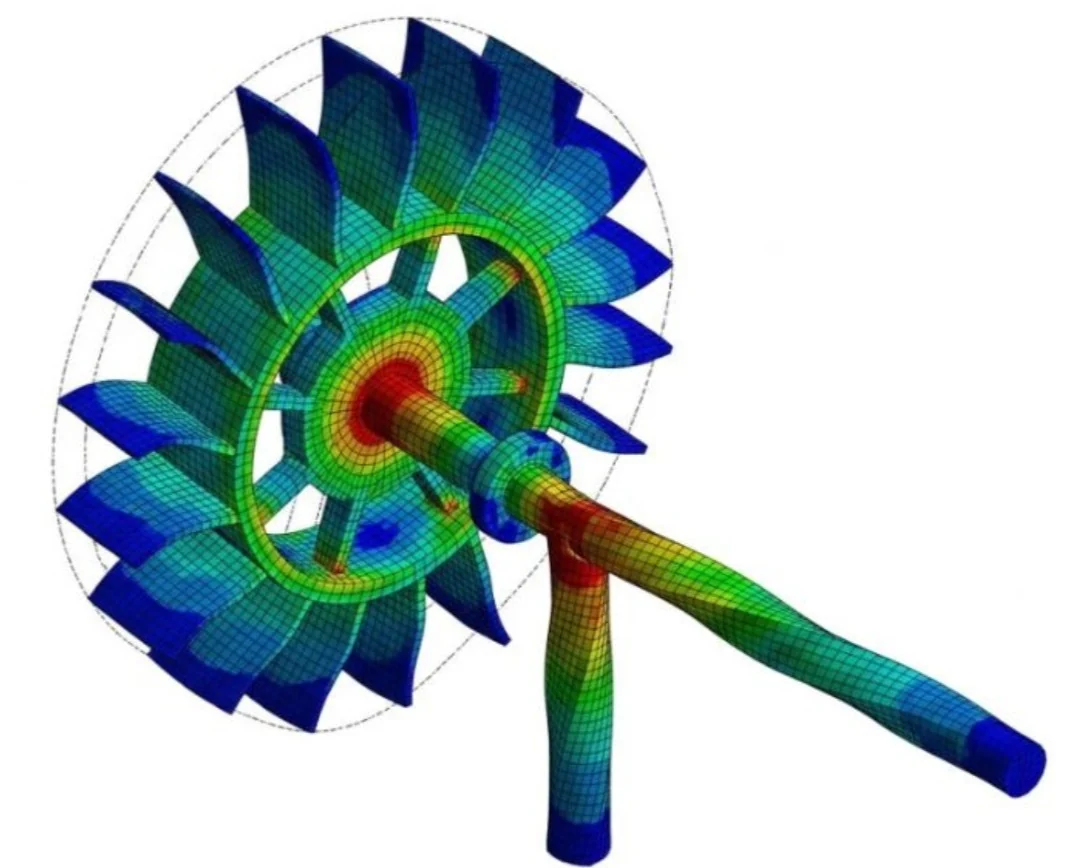
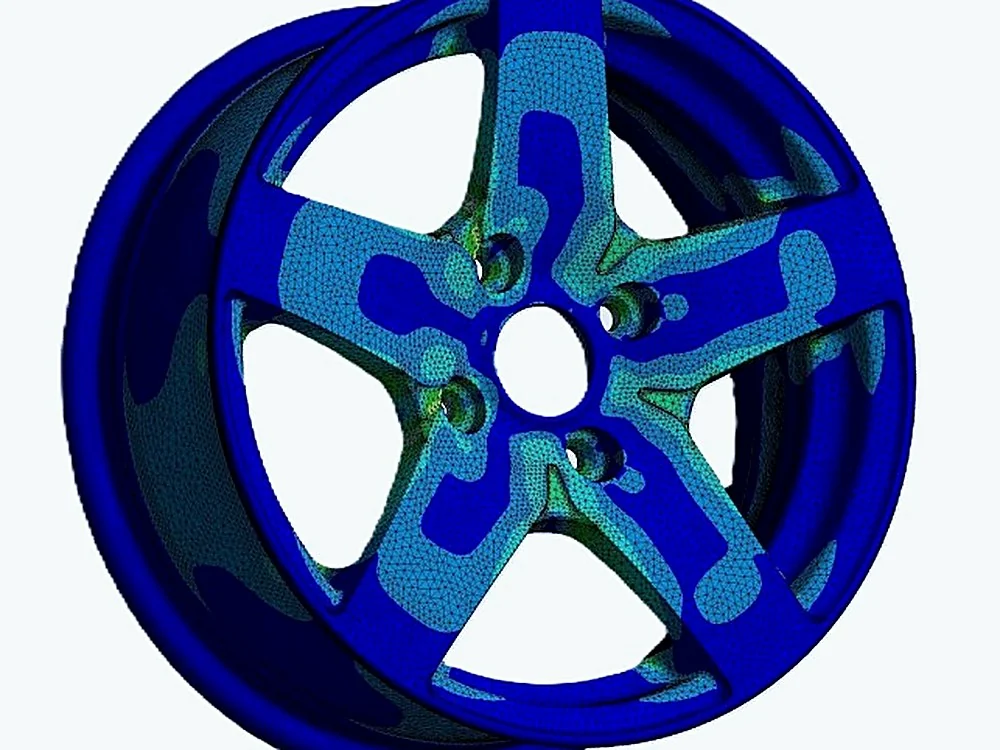
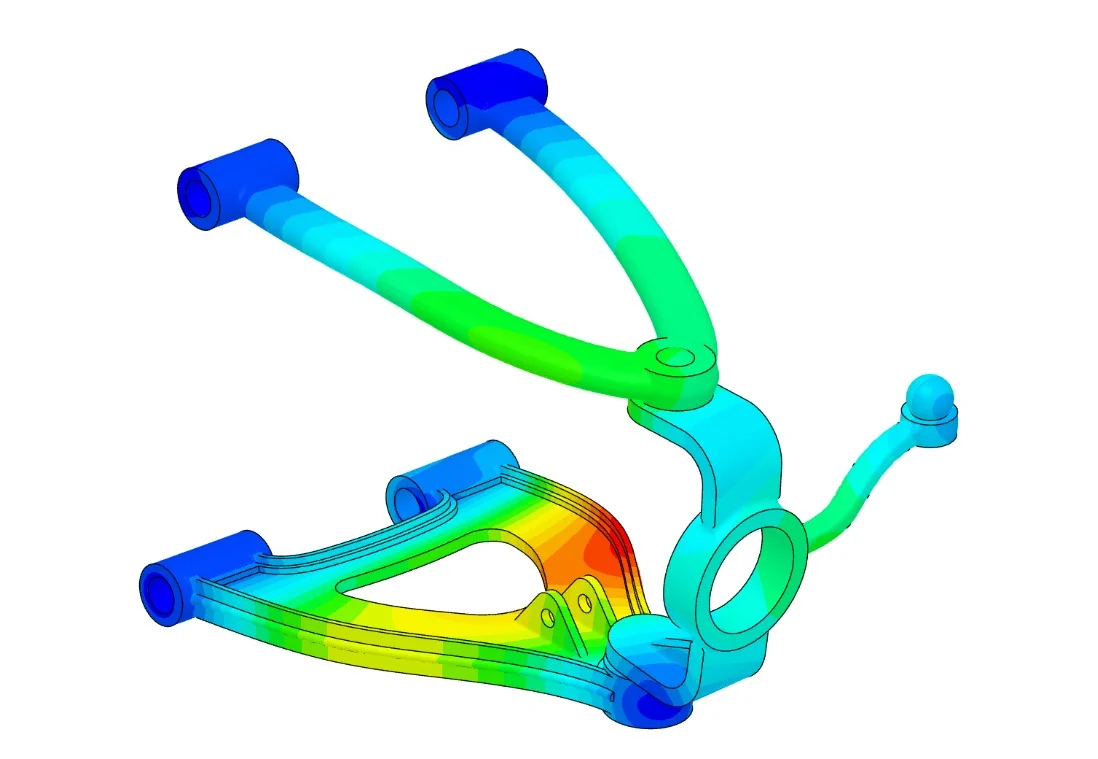
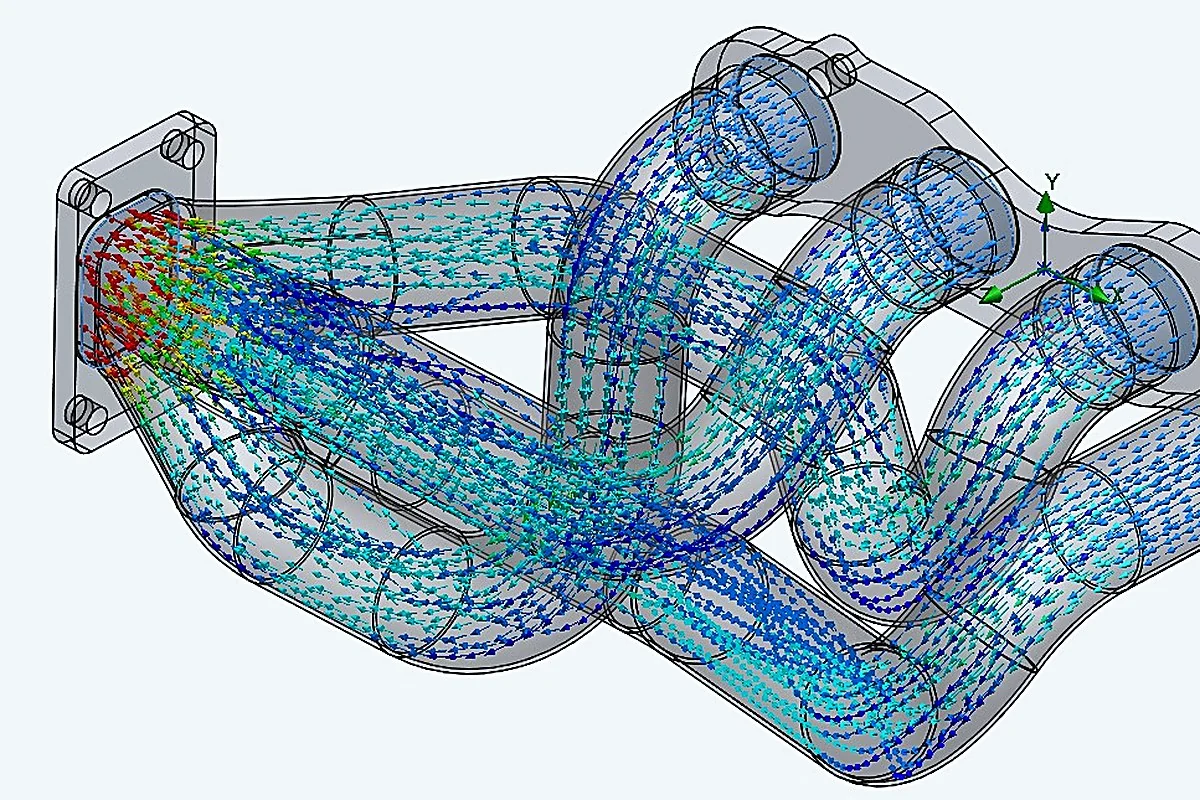
What is the difference between FEA and CFD?+
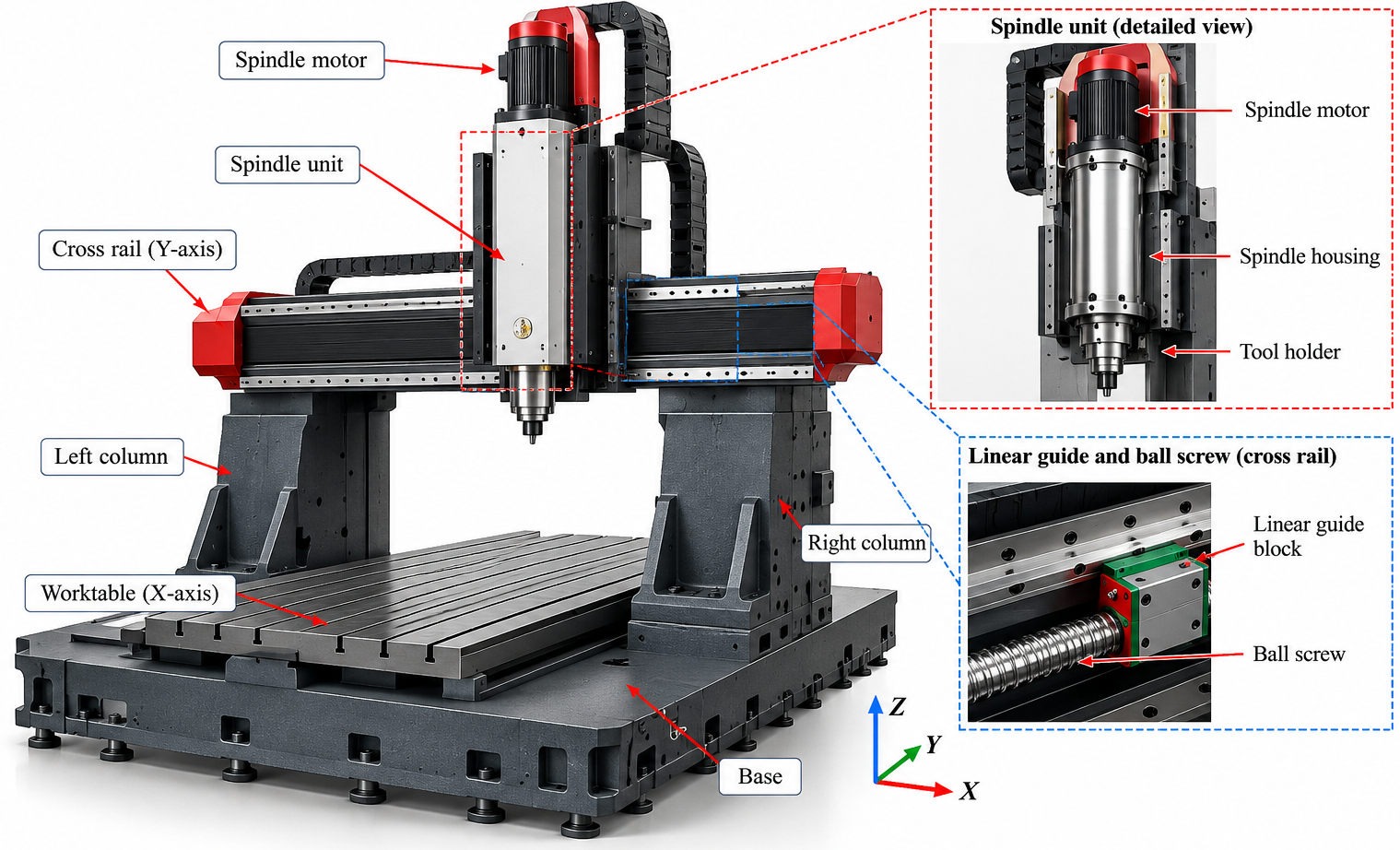
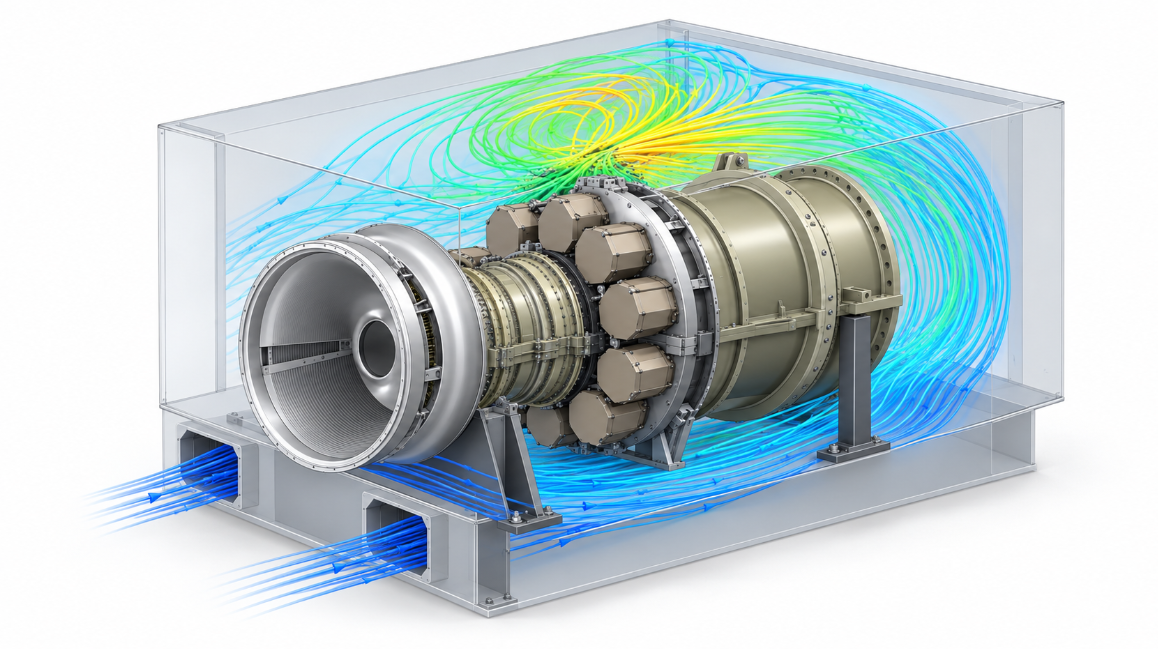
FEA predicts how solid structures respond to loads, including stress, deformation, stiffness, fatigue and vibration. CFD predicts fluid behaviour, including flow, pressure drop, airflow, cooling, heating and heat transfer. Some projects require both.
What information do you need to start an FEA or CFD analysis?+
Useful inputs include CAD, drawings, material data, loads, operating conditions, constraints, expected failure modes, acceptance criteria and the decision the study must support. Missing inputs are identified before the method is confirmed.
Can you validate a design created in house or by another engineering firm?+
Yes. Standalone validation is a core service. Fabrixon reviews the available model, drawings and operating information, then develops an independent setup and documented engineering assessment around the agreed question.
Do you provide structural FEA, fatigue, thermal, modal and CFD analysis?+
Yes. Fabrixon provides structural and stress analysis, fatigue and durability studies, modal and vibration analysis, thermal analysis and fluid flow CFD. The exact method depends on the design, operating conditions, available data and required decision.
How do you make sure an analysis is technically defensible?+
A defensible study starts with realistic loads, suitable boundary conditions, appropriate material properties and a mesh strategy matched to the problem. The report documents the setup, assumptions, checks, results, engineering interpretation and recommendations so the reasoning can be reviewed.
Can an FEA or CFD report support CE marking, type approval or technical file evidence?+
An FEA or CFD report can contribute engineering evidence to a technical file, CE pathway, type approval review, certification process or internal approval where the analysis is relevant. Final conformity, certification or approval remains with the manufacturer, client or relevant authority.
How is a validation project priced, and how long does it take?+
Most defined studies can be quoted as a fixed price scope once the analysis question and inputs are understood. A focused study may take days, while multipart, nonlinear or multiphysics work can take several weeks. The proposal confirms methodology, deliverables, assumptions, review points, schedule and price before work begins.