Requirements & architecture
Payload, duty cycle, dimensional envelope, axle and coupling arrangement, target market and manufacturing constraints translated into a controlled engineering basis.

For trailer OEMs, manufacturers and fabricators
Mechanical design, structural validation and controlled manufacturing documentation for new trailer programmes, variants, redesigns and critical subassemblies.
Fabrixon at a glance
Experienced engineering capacity for machinery and transport-equipment programmes, combining mechanical design, validation and controlled manufacturing documentation.
Talk to an EngineerTrailer engineering scope
We structure the programme around the trailer duty, critical load paths, production route and technical evidence your team needs to move confidently into fabrication or the next design gate.
Payload, duty cycle, dimensional envelope, axle and coupling arrangement, target market and manufacturing constraints translated into a controlled engineering basis.
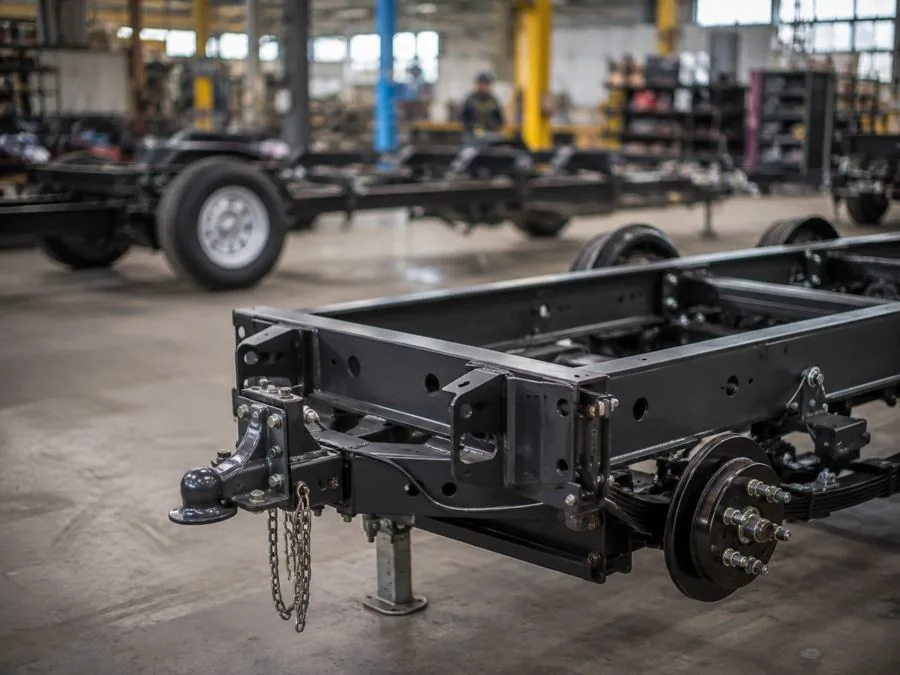
Frames, goosenecks, hitches, suspension mounts, deck or body structure, supports, guards and bought-in interfaces developed as one connected system.
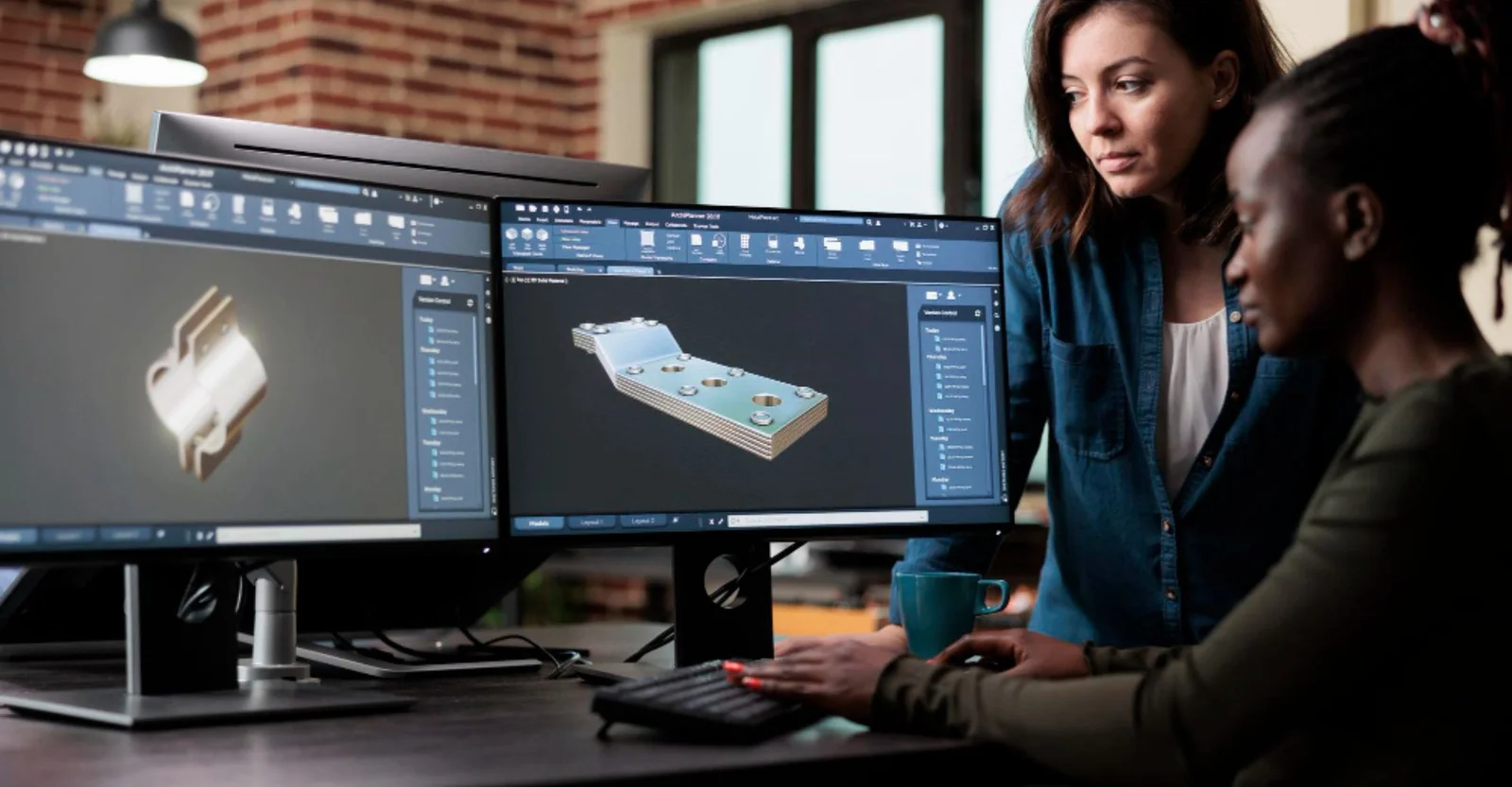
Relevant load cases, stress, deflection, critical connections and design options reviewed using calculations and finite element analysis where they add decision value.
Controlled assembly, weldment and part drawings, BOMs, DXF/DWG files, supplier information and revision registers aligned to the agreed production route.
Engineering evidence and technical records structured around the selected United States, United Kingdom or European programme route.
Ways to work
Engage Fabrixon for a defined trailer programme, a recurring engineering workstream, or a specific technical scope inside an existing project.
From initial brief through concept development, CAD, validation where required, DFM, drawings, BOMs and supplier documentation under one project structure.
Discuss a trailer programmeA coordinated engineering team for larger or recurring workstreams involving trailer design, validation studies, drawing releases, supplier requests and design changes.
Discuss dedicated capacityStructural analysis, DFM review, drawing packages, supplier documentation, trailer redesign or mechanical design support fitted into your existing project.
Discuss a defined scopeTrailer configurations
The engineering route is defined around the configuration, payload, operating duty and manufacturing process rather than applying one design method to every trailer.
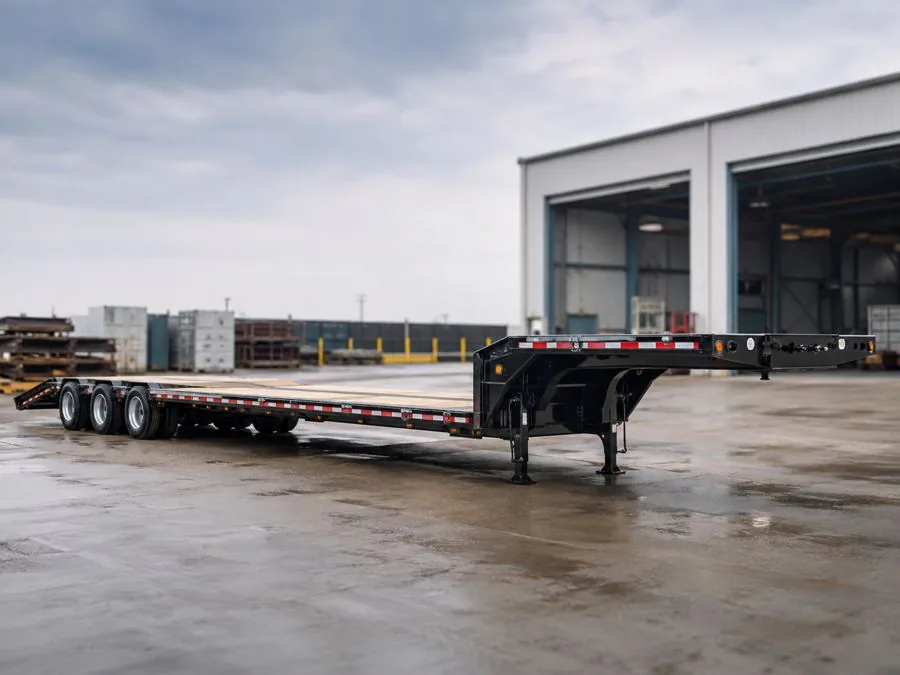
Chassis layout, deck structure, tie down provisions, payload distribution and variant development.
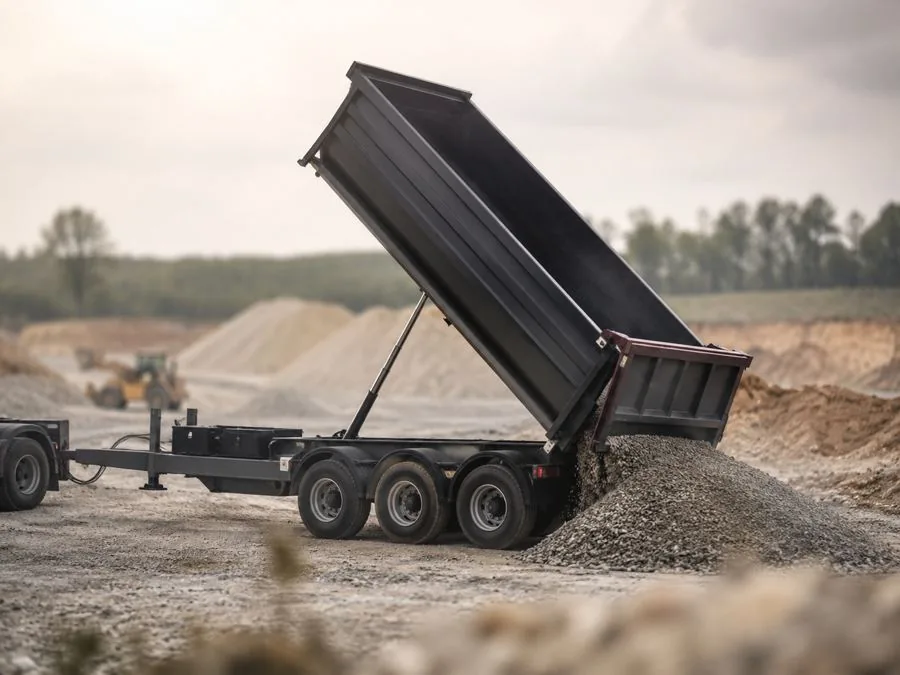
Body and chassis design, tipping geometry, hydraulic cylinder integration and dynamic load transfer.
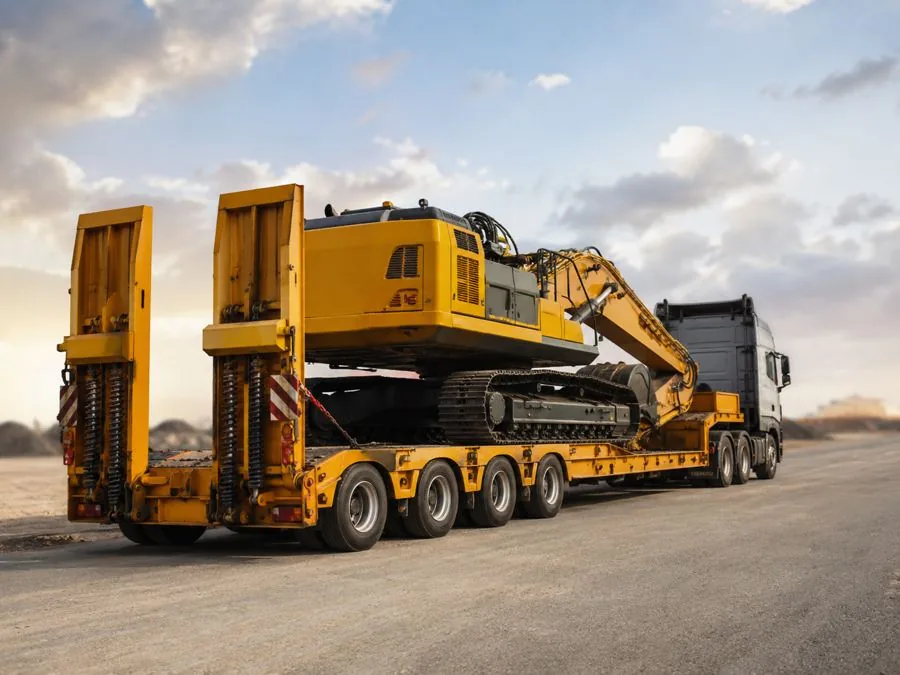
Low deck architecture, gooseneck design, high capacity axle arrangements and load distribution.
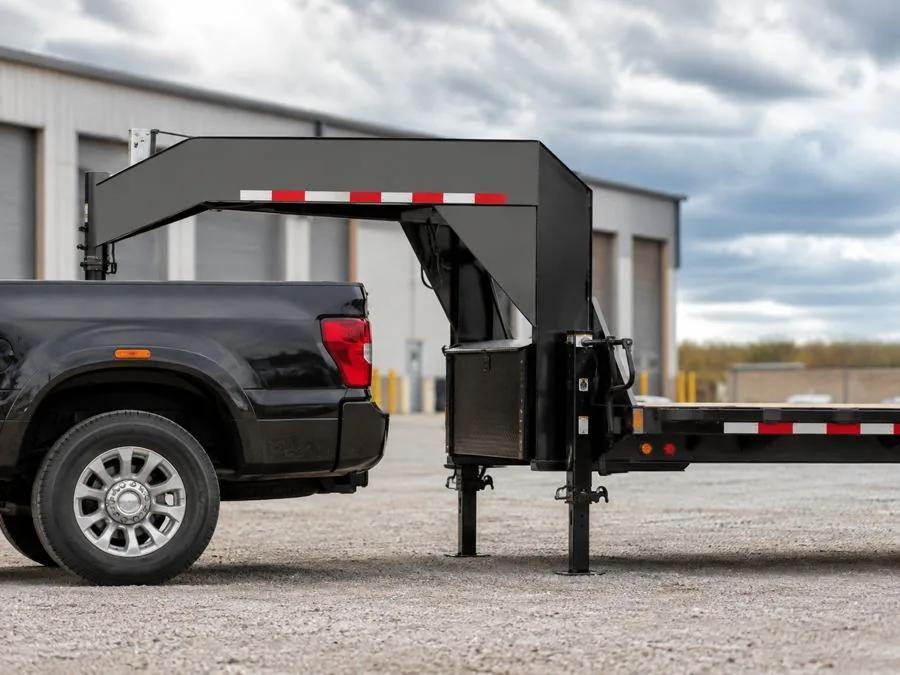
Neck structure, coupling interfaces, load transfer, chassis stiffness and manufacturing documentation.
Custom architecture for industrial, agricultural, vehicle transport and application specific equipment.
Standalone frames, hitches, suspension mounts, supports, guards and structural components.
Advanced trailer systems
Where the commercial brief includes higher value features, Fabrixon can develop the supporting mechanical architecture and coordinate the electrical and supplier interfaces required for integration.
Verified project experience
Mechanical design and enclosure integration for authorised access systems, including a trailer locking concept operated through mobile app or remote control without an exposed external lock.
Mechanical integration
Actuation geometry, mounting structures, load paths, component selection inputs and electrical interface requirements for powered tailgates and other operator assist features.
Third party system integration
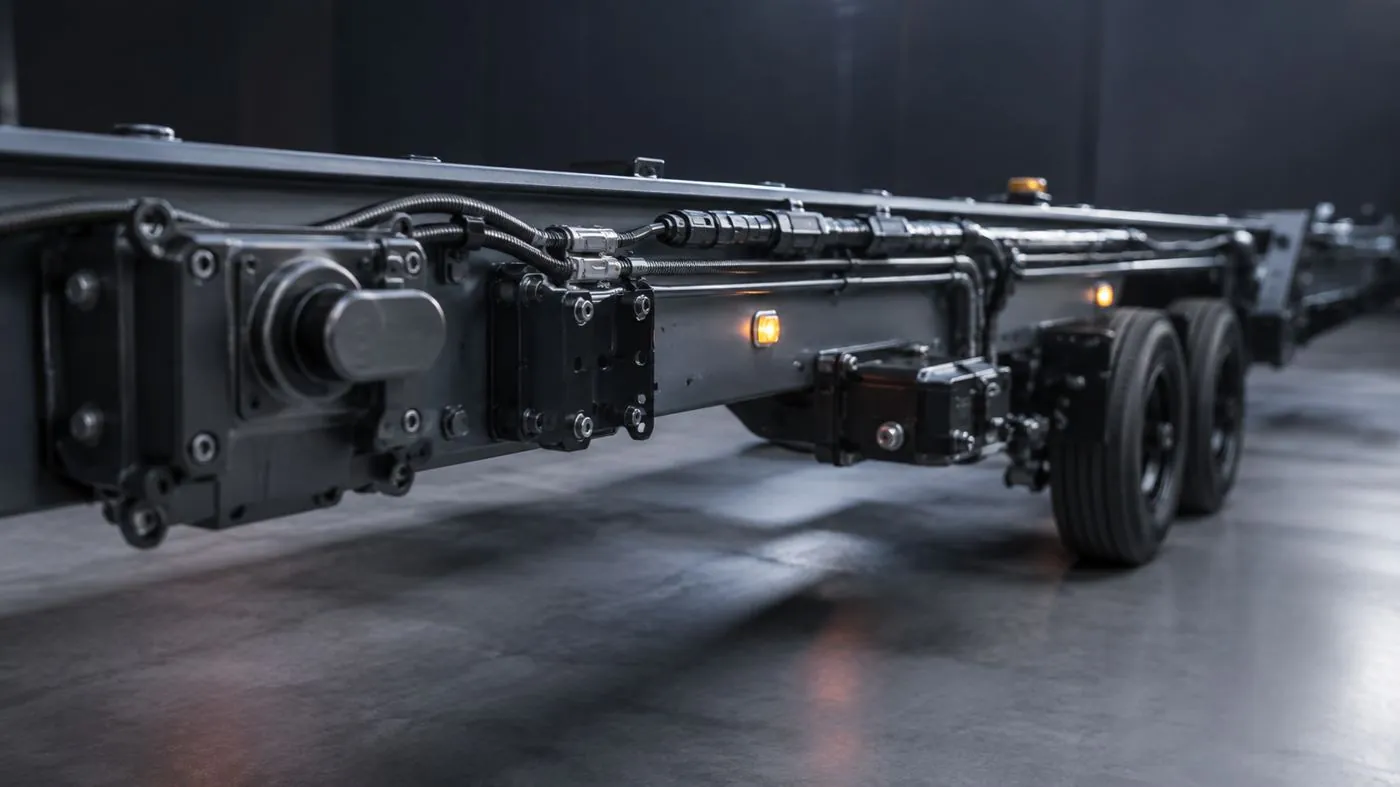
Mounting, protection, wiring routes, antenna locations and equipment interfaces designed into the trailer architecture in coordination with specialist system suppliers.
Selected engineering evidence
Examples showing how design, analysis and controlled documentation are used to answer a specific engineering question and move the programme to its next decision.
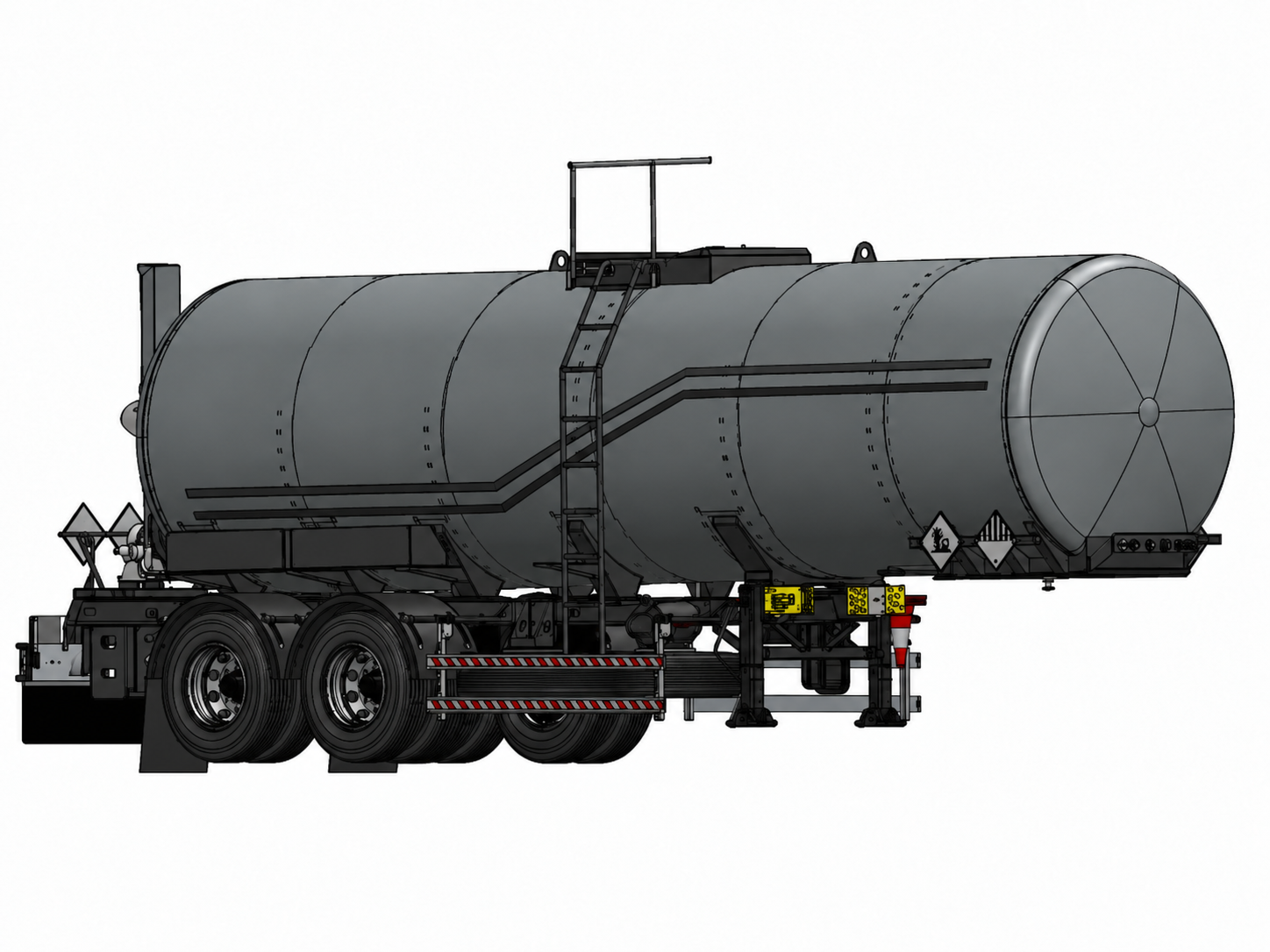
Integrated engineering of a 25,000 litre tanker vessel, tri axle chassis, CFD supported slosh control and pressure and discharge system packaging.
View case study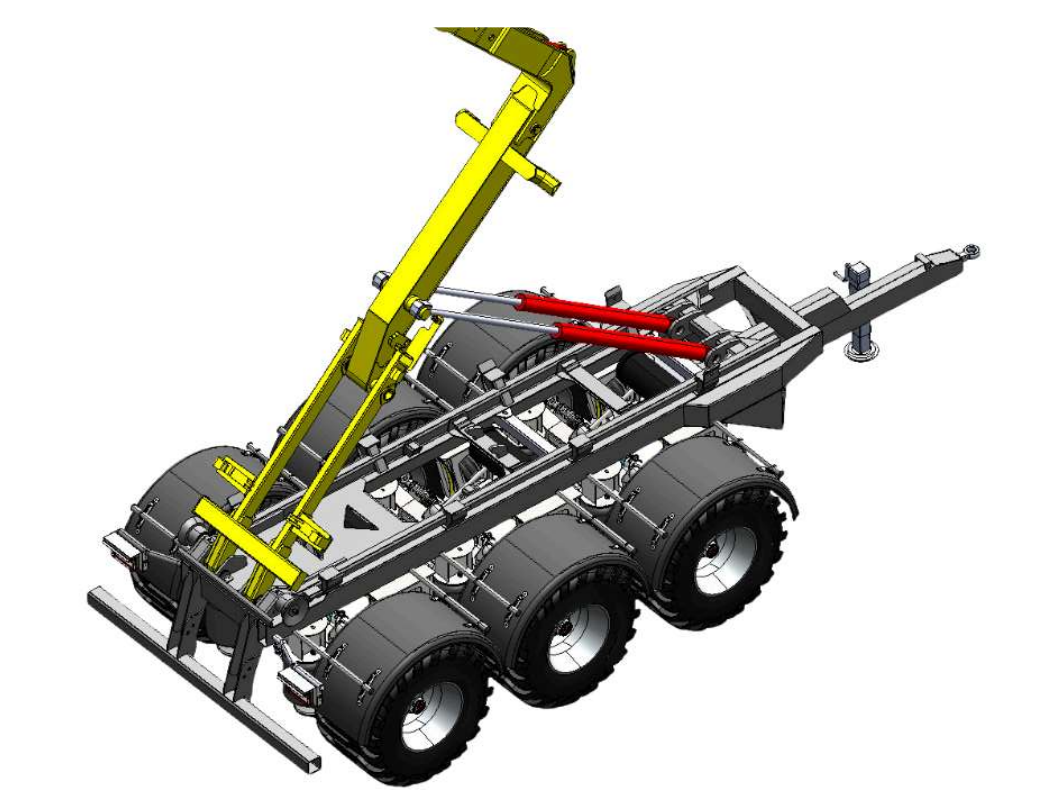
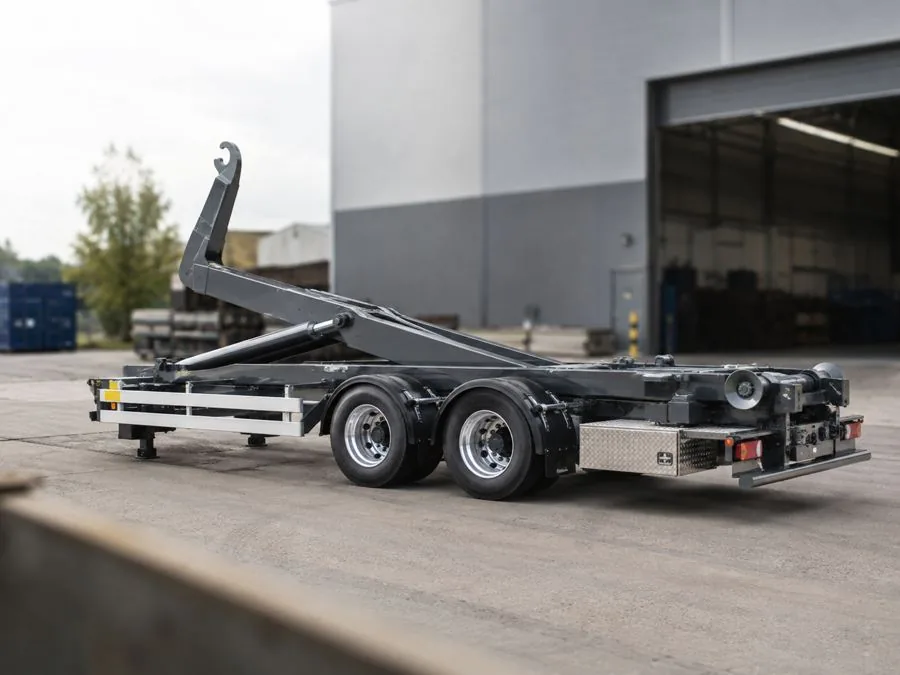
Kinematic, structural and tolerance led engineering of a 30 ton hydraulic hooklift trailer for container pickup, transfer, locking and tipping.
View case study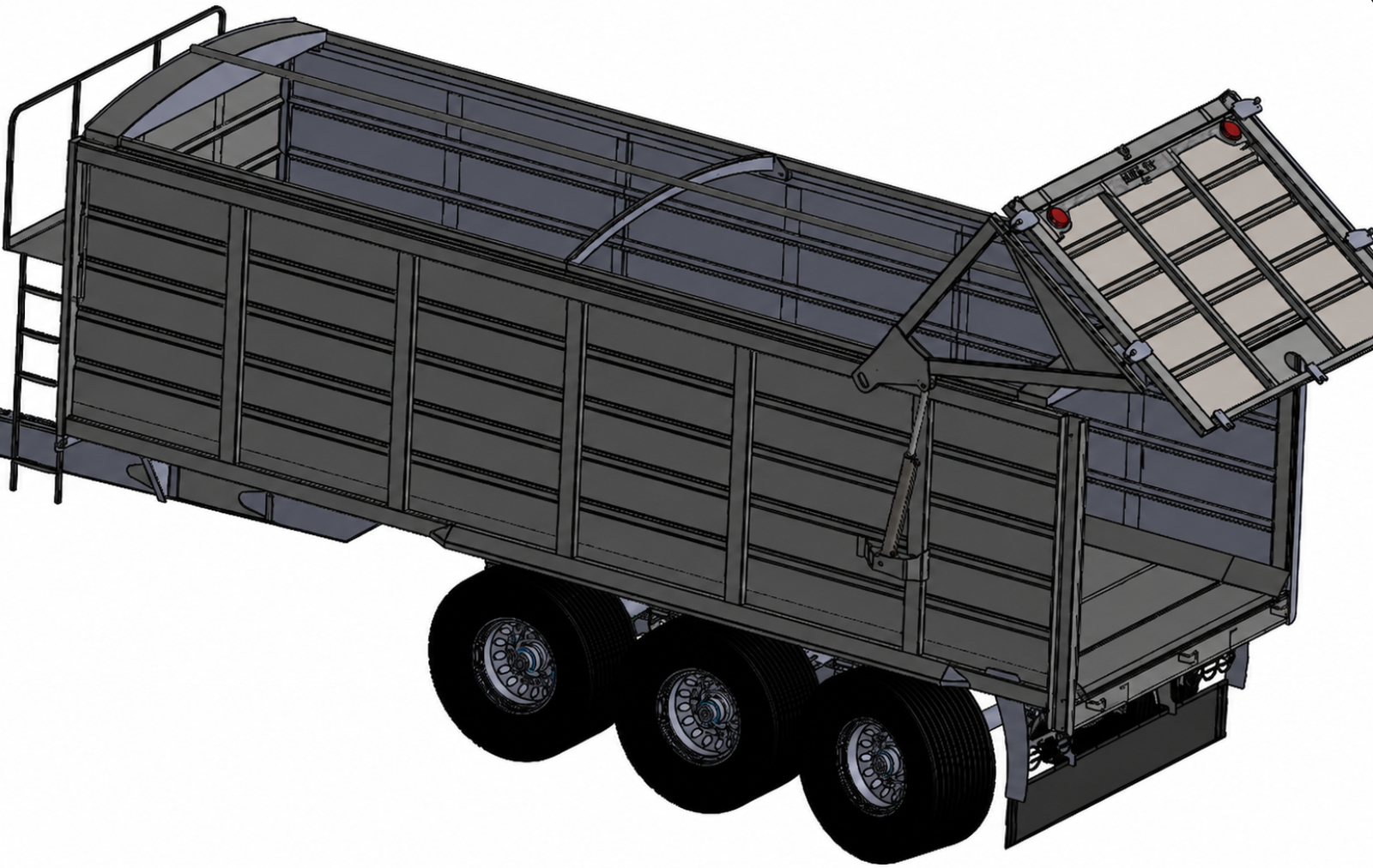
Engineering development of a triaxle silage trailer from legacy 2D layouts through 3D design, hydraulic rear gate integration, structural FEA, European type approval support and manufacturing documentation.
View case studyWhy trailer manufacturers outsource
External support works best when it removes a defined engineering constraint. Fabrixon integrates around your existing team, standards and supplier interfaces so additional capacity can be deployed without fragmenting design ownership.
Progress new trailers, variants and redesigns while internal engineers remain focused on production support and core product decisions.
Add calculation and simulation capability for critical chassis, hitch, suspension and connection decisions when deeper assessment is required.
Move controlled drawings, BOMs, supplier files and revision updates forward without consuming the design team’s highest-value engineering time.
Deploy additional engineering capacity around launches, tenders, customer changes and model updates where timing is commercially important.
Engineering handover
Design intent, manufacturing information, analysis evidence and revision status stay connected through the agreed review and release process.
Native + neutral CAD · controlled drawings · analysis evidence · BOMs · supplier files · revision status
Controlled three-dimensional models in the agreed CAD platform, with neutral STEP or IGES files where supplier exchange is required.
Assembly, weldment and part drawings with agreed dimensions, tolerances, weld information, notes and revision status.
DXF, DWG and other agreed exchange files for laser, plasma, formed parts and external component suppliers.
Model basis, loads, constraints, mesh information, results, limitations and recommendations for the evaluated engineering question.
Structured material and purchased-component lists, drawing indexes and controlled records tracking current release status.
Requirement mapping, calculations, drawings and technical records supporting the selected programme route.
Buyer questions
Direct answers to the technical and commercial questions that most often determine whether an outsourced trailer programme can be scoped correctly.
Both. Fabrixon can take a trailer programme from requirements and architecture through detailed design, validation and controlled manufacturing documentation, or own a clearly bounded work package such as a chassis, hitch, analysis study, drawing package or redesign scope.
Yes. Native CAD, STEP files, drawings, photographs, physical measurements and supplier data can all be used as starting inputs. The first step is to establish what is reliable, what is missing and which interfaces or assumptions must be controlled before design work progresses.
Trailer type, payload and load distribution, axle and coupling arrangement, key dimensions, operating duty, target market, current design stage, production process, available CAD or drawings and the timing your team is working toward.
Yes. Depending on scope, the controlled handover can include assembly, weldment and part drawings, tolerances, weld information, DXF and DWG files, BOMs, neutral CAD files, drawing indexes and revision records.
Validation starts with the engineering question and relevant load cases. Loads, constraints and interfaces are defined, critical load paths are reviewed, and calculations or finite element analysis are used where they add decision value. Results, assumptions, limitations and design recommendations are documented.
Fabrixon can structure engineering evidence around the selected programme route, including applicable requirements, calculations, drawings and technical records. The manufacturer or appointed approval body retains the certification and approval responsibilities applicable to the market.
Timing depends on scope maturity, available inputs and current engineering capacity. Defined design or analysis packages can often start faster than complete trailer programmes. The written proposal sets out the planned start, review points and delivery basis.
A defined scope can be priced as a fixed project with milestones. Recurring engineering demand can be structured as dedicated capacity. The commercial basis is agreed after the available information, responsibilities, deliverables and review route are clear.
Start the programme
Share the current model, payload, target market, production constraints and timing. An engineer will review the brief and confirm the most practical route forward.
Enough information to understand the engineering requirement before the first call.