What is the difference between DFM and DFA?+
DFM assesses whether a design can be manufactured efficiently using the intended process. DFA assesses how efficiently and reliably it can be assembled, including part count, access, fasteners, joining, handling, sequence and error proofing.
What is included in a DFM review?+
A DFM review can cover process fit, material selection, tolerances, feature complexity, machining or fabrication feasibility, supplier constraints, cost drivers and design changes tied to specific parts or features.
What is included in a DFA review?+
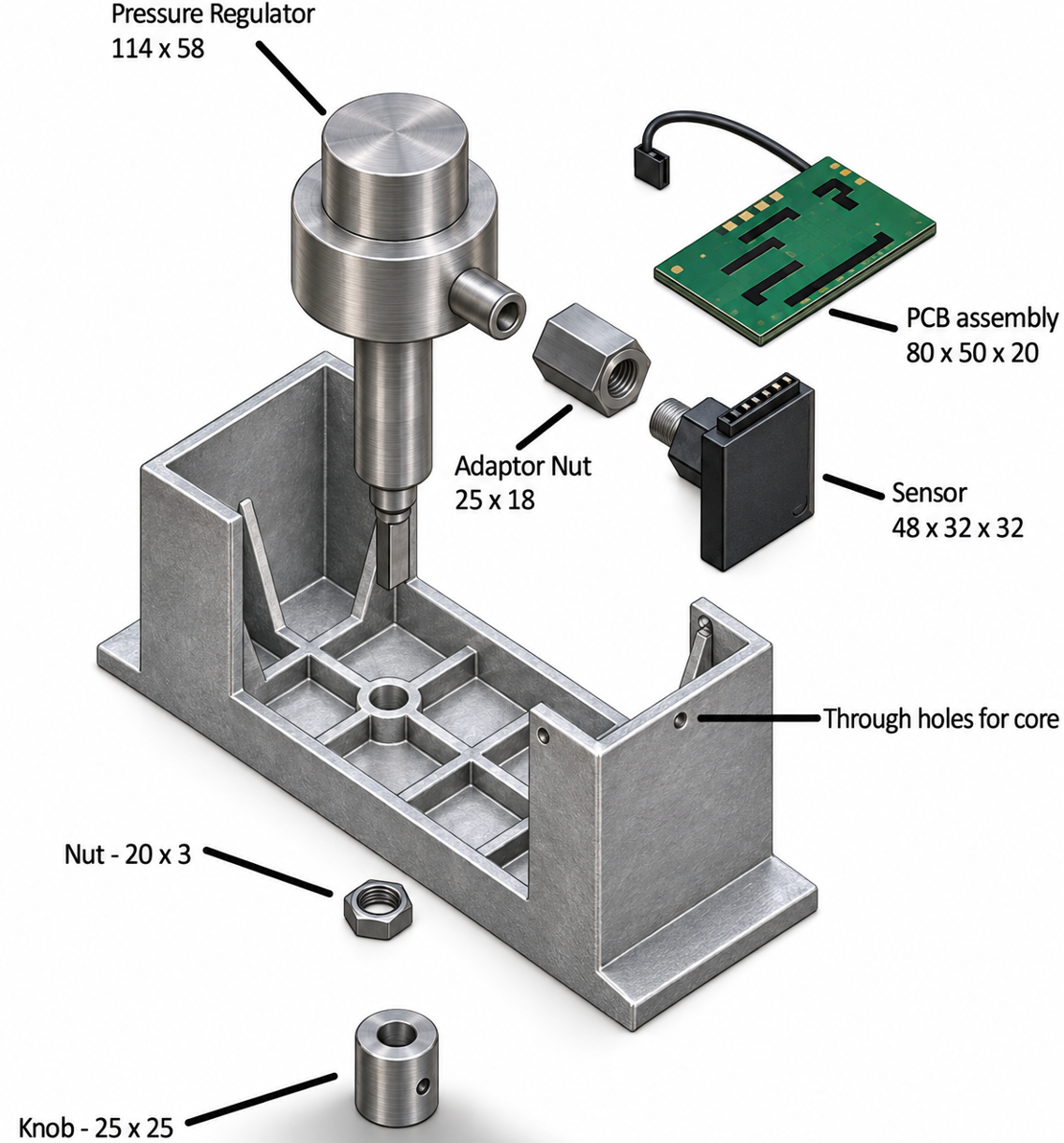
A DFA review can cover part count, fastener reduction, assembly sequence, access, orientation, joining methods, serviceability, handling and opportunities to reduce labour or assembly error risk.
What is a tolerance and supplier review?+
It checks whether drawings, tolerances, material callouts, weld notes, inspection requirements and manufacturing assumptions are clear and appropriate for quotation, manufacture, inspection and supplier clarification.
What is a manufacturability cost review?+
It identifies how tolerances, material grade, feature complexity, fabrication method, process steps and supplier dependency affect cost. Estimated impact is included only where reliable data and assumptions are available.
Do you provide DFMEA or PFMEA services?+
Fabrixon does not provide standalone DFMEA or PFMEA services. Where a client led DFMEA is already in progress, we can contribute DFM and DFA findings, tolerance observations, validation evidence and mechanical design risk notes.
What inputs do you need and how long does a review take?+
Useful inputs include CAD, drawings, materials, the production route, supplier constraints, assembly information, known concerns and the required output. Timing depends on design complexity, review depth, available inputs, part count and deliverables.