Continuity and scaling
Retain product knowledge while adjusting engineer mix or monthly allocation as programme demand changes.

Engineering capacity for OEMs and engineering teams
Extend your team with named mechanical design, CAD, drawing and validation engineers who work within your systems, standards and priorities.
Fabrixon at a glance
Experienced engineering capacity for machinery, automation and product development programmes, combining mechanical design, validation and controlled engineering documentation.
Talk to an EngineerRetain product knowledge while adjusting engineer mix or monthly allocation as programme demand changes.
Move assigned work through the agreed review and reporting rhythm connected to the active backlog.
Establish CAD environment, standards, task systems, file structure, approvals and information access routes.
Requirement review, engineer matching, onboarding, live delivery and continuity planning aligned into one structured capacity model.
Understand recurring work, software, priorities, expected capacity and the internal engineering owner.
Define discipline, seniority, overlap hours, management level and the monthly engineering allocation.
Select suitable profiles and confirm technical fit before the engineer is assigned into the workstream.
Ways to work
Choose one named engineer, a coordinated engineering pod, or a recurring workstream managed by Fabrixon around an agreed client owner and approval route.
One named engineer joins a recurring backlog, takes priorities from your engineering lead and works within your systems and standards.
Discuss one engineerTwo or more complementary engineers support connected design, drawing and validation needs under one coordinated capacity plan.
Discuss an engineering podFabrixon coordinates priorities, task allocation, review points and reporting for a recurring workstream while your team retains technical approval.
Discuss a managed workstreamCapability behind the team
This is engineering capacity backed by Fabrixon’s core machinery, CAD, manufacturing documentation and design validation capability, not generic staff supply. Assigned engineers are matched to the recurring workstream and operate inside your existing review process.
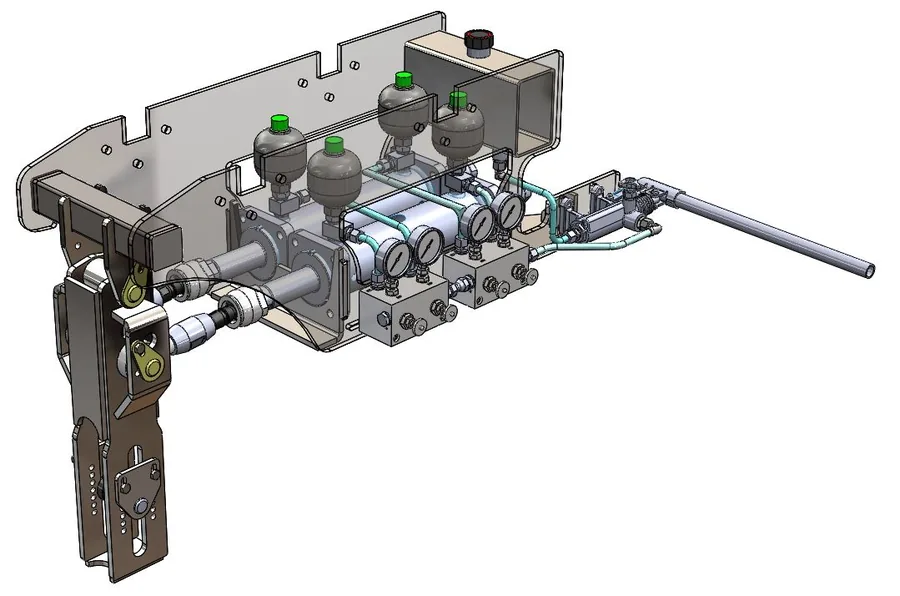
Components, assemblies, mechanisms, machine frames, guarding, equipment modifications and integration work within client led programmes.
Part and assembly modelling, CAD updates, configurations, interfaces, design variants and controlled model structures across recurring product work.
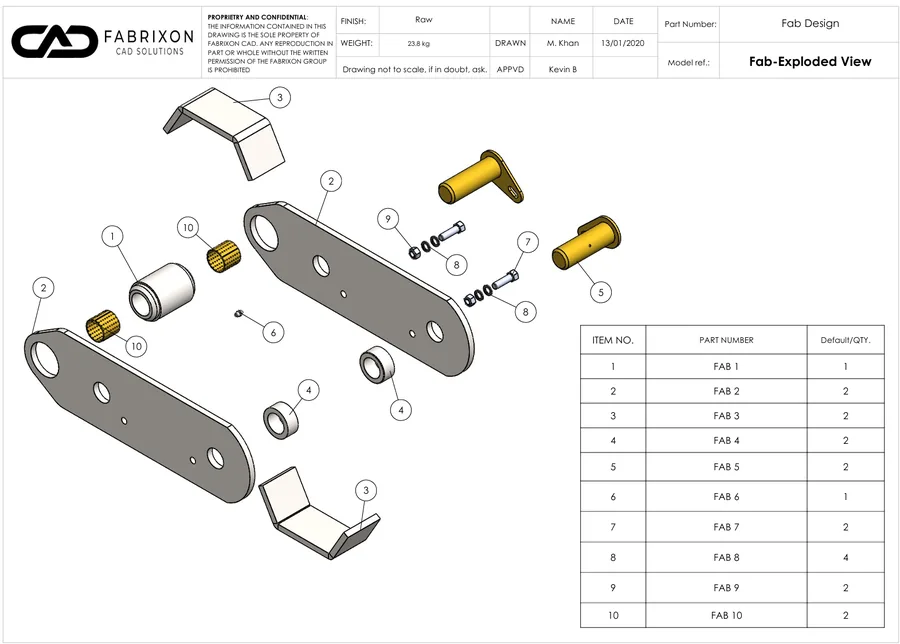
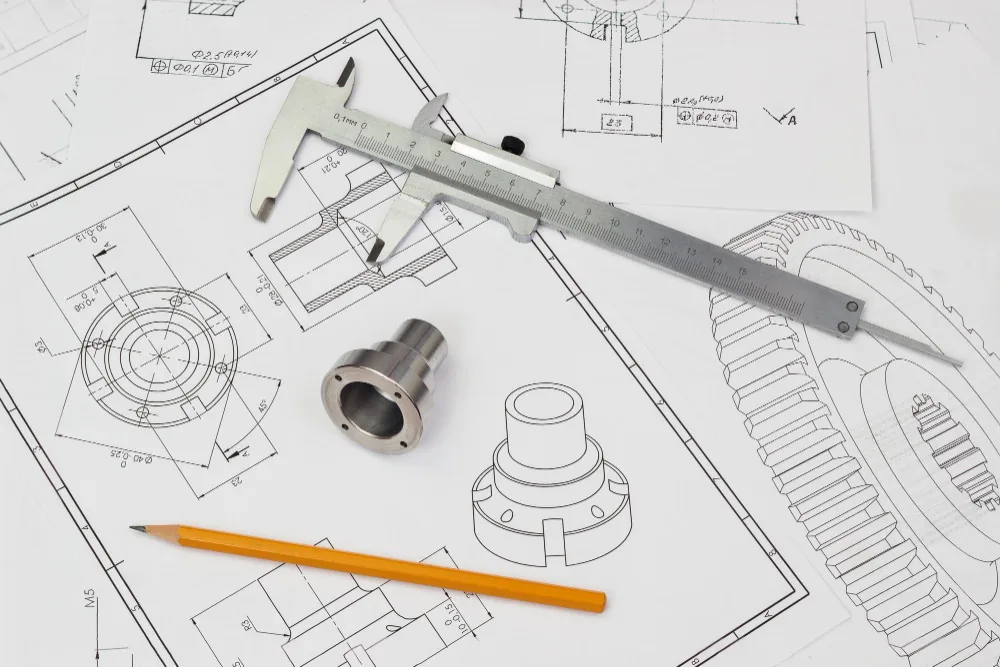
Manufacturing drawings, GD&T, weld details, BOMs, DXF outputs, title blocks and supplier drawing updates.
Product variants, customer options, engineering changes, revision updates, drawing registers and controlled release documentation.
Design for manufacturing reviews, supplier clarifications, interface decisions and drawing updates supporting quotation and manufacturing handover.
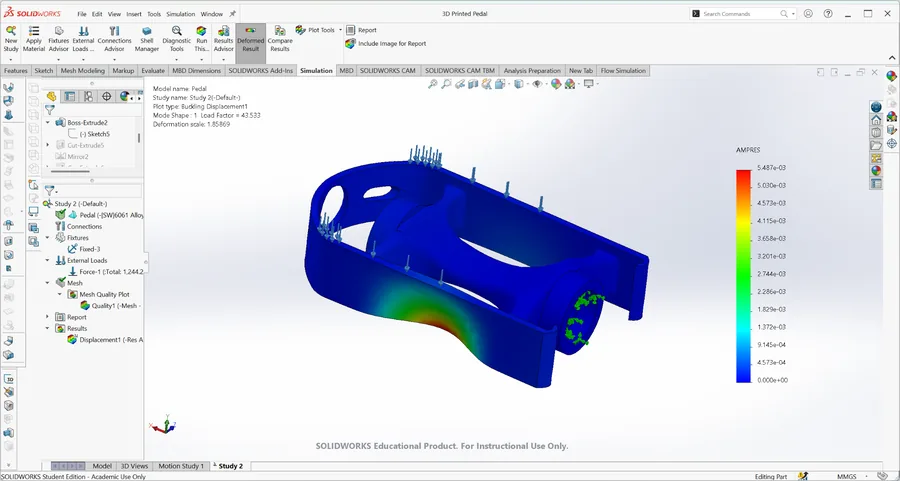
Structural, fatigue, vibration, thermal or flow validation assigned to engineers matched to the required analysis scope.
Available engineering roles
Build capacity around the actual engineering backlog. Fabrixon can assign individual specialists or combine complementary roles into a coordinated engineering pod, with the level of seniority and review support matched to the work.
Components, assemblies, mechanisms, equipment details, interfaces and engineering changes across recurring machinery or product development work.
Higher judgement mechanical design, architecture, complex design review, technical coordination and support around critical engineering decisions.
Controlled 3D CAD, manufacturing drawings, GD&T, BOMs, DXF outputs, configurations, drawing registers and revision support.
Structural, fatigue, vibration, thermal or flow analysis matched to the defined engineering question and required review depth.
Backlog planning, task coordination, review points, escalation, reporting and client communication for multiple engineer or managed workstreams.
Operating model
Reserved capacity becomes more valuable as the engineer learns your products, standards and decision routes. The model is structured to retain that context while keeping priorities and approvals clear.
Continuity
The same assigned engineers remain connected to the workstream under the agreed continuity plan so knowledge accumulates rather than restarting with each package.
Integration
Tasks, models, drawings, revisions and approvals follow the systems and conventions agreed during onboarding, including client approved access where required.
Scalability
Monthly allocation and engineer mix can be revised through the agreed planning process as programme demand, specialist needs and delivery priorities change.
Capacity in practice
Common operating patterns showing where recurring external capacity can remove a specific constraint without fragmenting engineering ownership.
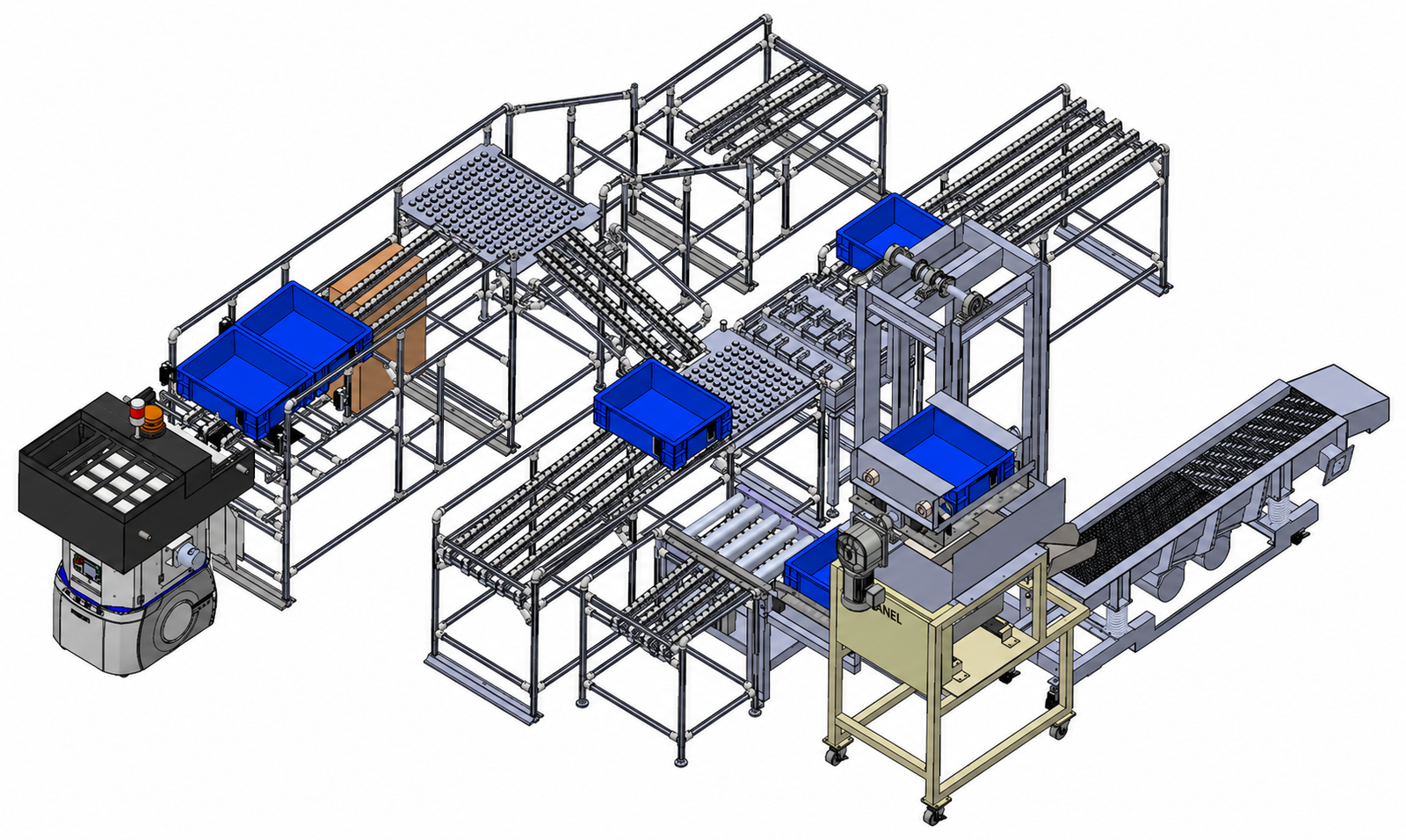
Mechanical integration of supplier process equipment, multilevel tote buffering and an AMR collection interface into a line that met its operating requirements.
View case study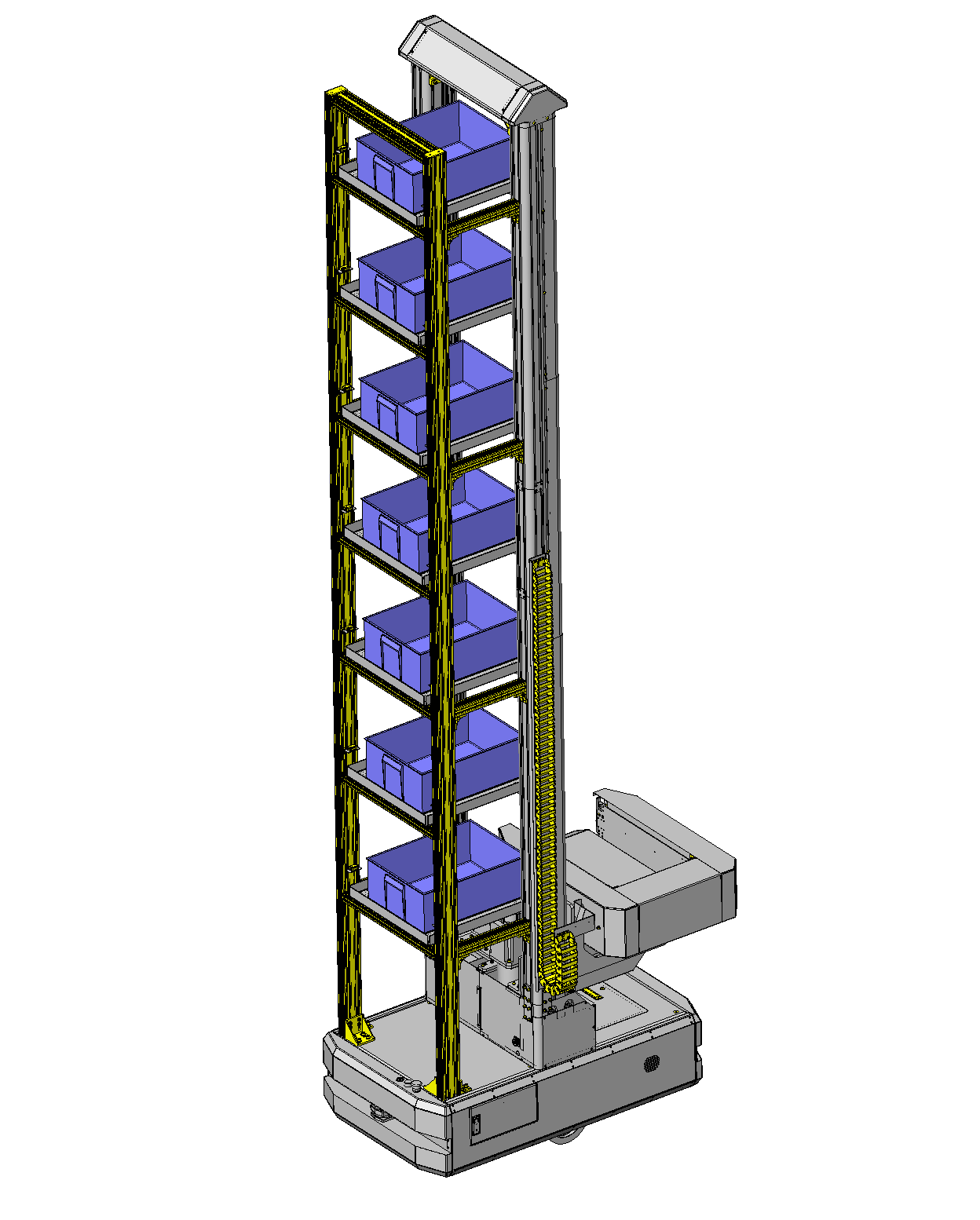
Mechanical design of a mobile tote handling vehicle combining autonomous transport interfaces, vertical positioning, side transfer and seven onboard tote positions.
View case study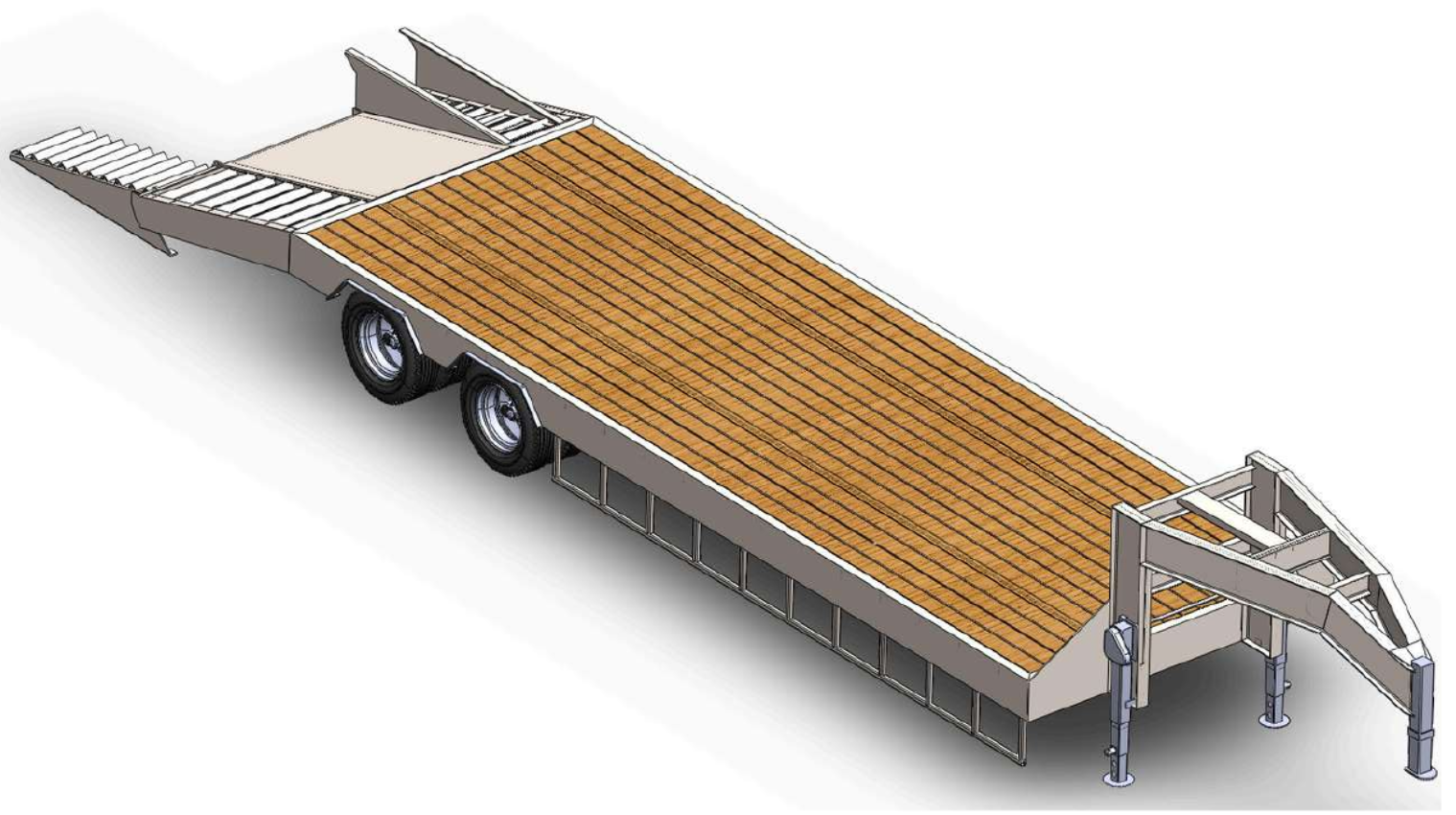
Parametric structural engineering of a 40 ton gooseneck lowbed trailer family with FEA led reinforcement, movement envelope checks and manufacturing documentation.
View case studyMove recurring CAD, drawing, variantand supplier work forward so experiencedinternal engineers stay focused on architecture,decisions and product ownership.
Add defined engineering capacity without waitingthrough advertising, interviews, notice periodsand a permanent recruitment cycle.
Reserve additional support around launches, drawing releases, customer variants and supplier deadlines where timing is commercially important.
Keep named engineers connected to the account so standards, product context and previous decisions are retained across recurring work.
CAD, drawing, file structure, revision and approval conventions stay aligned with your engineering systems and review routes.
Bring validation or specialist mechanical capability into the team when needed without permanently staffing every discipline.
Governance and control
People, systems, priorities, outputs, review responsibilities and access stay connected through an agreed delivery rhythm. The objective is accountable engineering capacity, not a collection of isolated outsourced tasks.
Assigned engineer profiles, role boundaries, client ownership and Fabrixon coordination responsibilities defined before live delivery.
CAD versions, file structures, drawing standards, revision conventions, task systems and approved access routes established during onboarding.
Active work, completed models, drawings, engineering changes, analysis outputs and items awaiting client input remain visible.
Review depth, escalation routes and client approval responsibilities matched to the complexity and risk of the assigned work.
Monthly allocation, usage, forecast demand, blockers and expected next period priorities reviewed through the agreed operating rhythm.
Absence planning, structured knowledge transfer, confidentiality, authorised access and engagement end requirements agreed with the client.
Buyer questions
Direct answers to the commercial, operational and information control questions engineering managers usually evaluate before adding recurring external capacity.
A dedicated engineering team is reserved external engineering capacity that works consistently with your internal team over an ongoing period. Fabrixon assigns named engineers or a coordinated pod to defined workstreams. They learn your products, CAD standards, drawing practices, approval process and communication rhythm while your team retains control of priorities and technical approvals.
Dedicated capacity supports a changing recurring backlog, while project outsourcing is organised around a defined scope, deliverable and endpoint. A dedicated engineer may support drawings, product variants, engineering changes and supplier queries each month. A defined project is more suitable when the work has a fixed endpoint.
Yes. Clients can begin with one named engineer assigned to a recurring workstream and expand later if the backlog grows. Role, seniority, software, overlap hours and monthly capacity are agreed before allocation.
Selection starts with the workstream, software, experience level, communication needs and expected capacity. Fabrixon reviews suitable profiles and supports a technical introduction before allocation is confirmed.
Yes, subject to the client approved access model and available licences. Engineers can work within agreed CAD systems, file structures, title blocks, drawing standards, task platforms, PDM or PLM processes and revision conventions.
Confidentiality, intellectual property ownership, authorised access and information handling are defined in the commercial agreement before onboarding. Work can use client approved systems, VPN, remote desktop or controlled exchange methods where required.
Fabrixon agrees communication, absence planning and escalation routes during onboarding. Where continuity requires a replacement or the engineer is not the right fit, Fabrixon reviews the issue, proposes an alternative profile and supports structured knowledge transfer.
Dedicated capacity is normally priced as a monthly retainer based on the role, seniority, reserved capacity, software requirements, management level and review support. Minimum term, notice period and scaling arrangements are stated clearly in the proposal.
Plan the capacity
Tell us the type of work, software, approximate monthly capacity and when you need support. An engineer will review the requirement and recommend the most practical team structure.
A short brief is enough for the first review.