Engineering evidence for design decisions

Design Validation, FEA & CFD

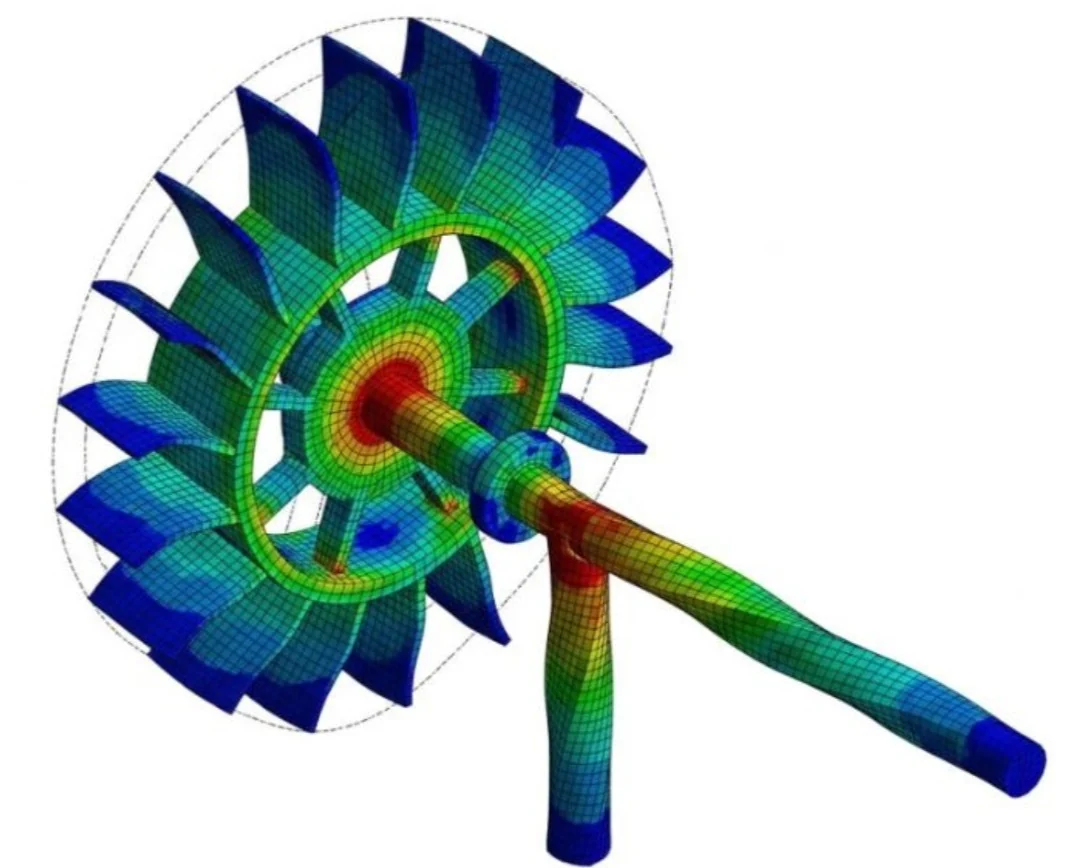
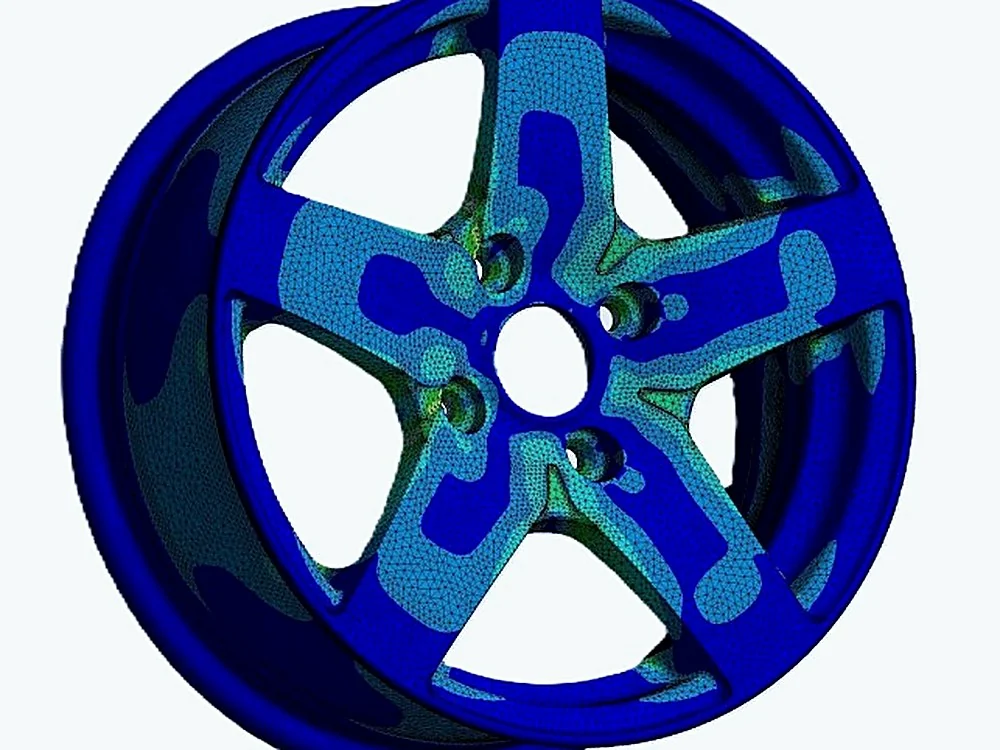
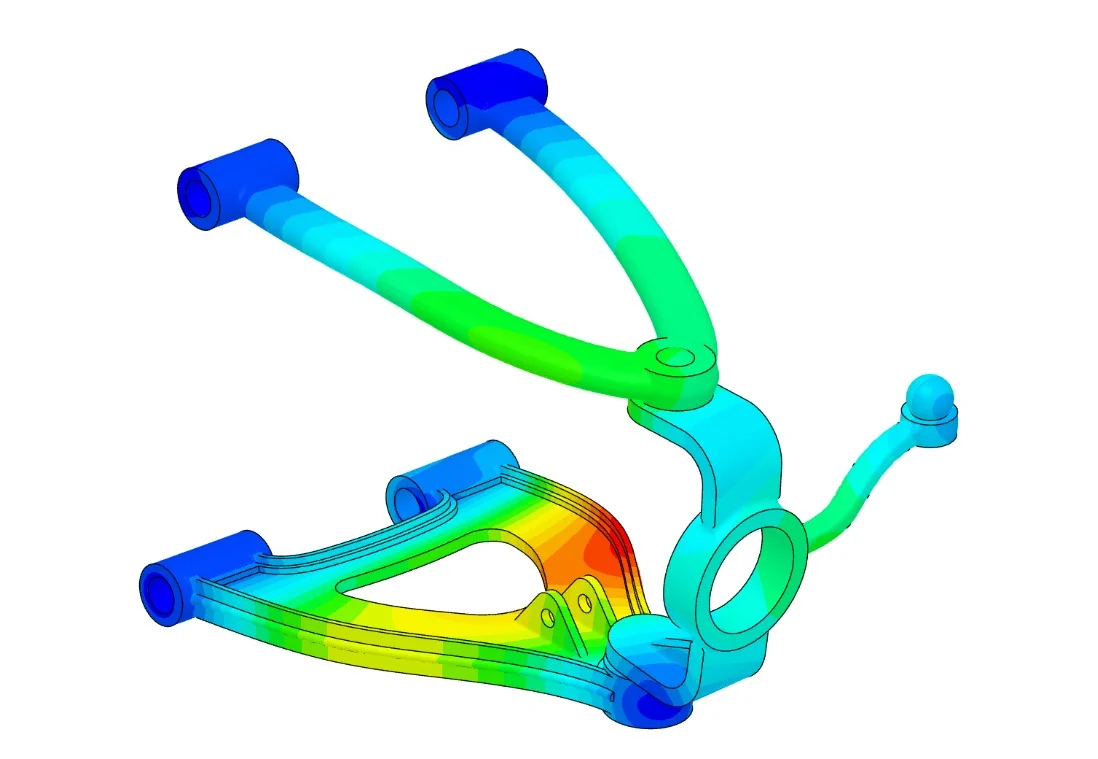
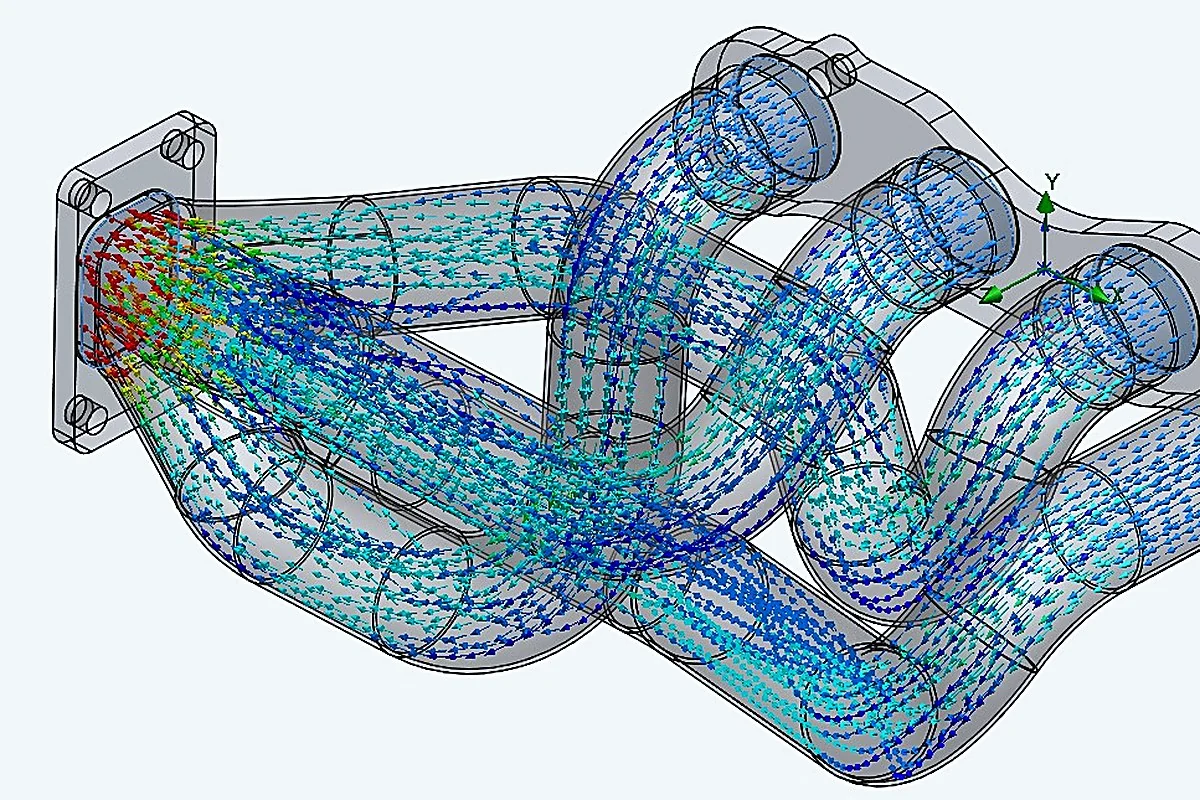
FEA consulting services and CFD analysis for machinery, frames, components and process equipment. Structural, fatigue, modal, thermal and fluid flow studies include documented assumptions, reviewable setup and engineering interpretation.

Structural FEAFatigue & modalThermalCFD / fluid flow

Design validation capability

Engineering evidence behind the design decision

Fabrixon turns operating loads, material behaviour, thermal conditions and flow requirements into documented analysis evidence that engineering teams can review before release, redesign, supplier commitment or approval.

01

Structural mechanics

Stress, deformation, stiffness, load paths, contacts and factor of safety assessed against the real operating question.

02

Durability and dynamics

Fatigue, natural frequencies, mode shapes and frequency response behaviour used to assess cyclic life and resonance risk.

03

Thermal and fluid flow

Temperature distribution, heat transfer, airflow, pressure drop, cooling and internal flow behaviour evaluated where performance depends on heat or fluid movement.

04

Reviewable evidence

Loads, materials, boundary conditions, mesh strategy, assumptions, checks, results and engineering recommendations documented for technical review.

Simulation Platforms

ANSYSANSYS
SOLIDWORKS SimulationSOLIDWORKS
SIMULIA AbaqusSIMULIAAbaqus
Autodesk Inventor NastranAUTODESKInventor Nastran
ANSYS FluentANSYSFLUENT
SOLIDWORKS Flow SimulationSOLIDWORKSFLOW SIMULATION
Siemens Simcenter STAR CCM PlusSIEMENSSimcenterSTAR CCM+
Autodesk CFDAUTODESKCFD

Typical validation triggers

When clients bring us in

Validation work normally starts because a design decision carries technical or commercial risk and the team needs evidence before moving forward.

01

A design has to be evaluated before release

You need evidence that a frame, structure, component or assembly will perform before supplier commitment, fabrication, internal approval or design release.

02

An approval pathway needs engineering evidence

FEA or CFD is required to support a technical file, specialist review, certification pathway or internal approval where analysis evidence is relevant to the requirement.

03

A component is failing or carrying unnecessary material

Something cracked, deflected, overheated, vibrated, restricted flow or appears heavier than the duty requires, and the design team needs to understand why before changing geometry.

04

An existing analysis needs an independent check

You want a second engineering opinion on the load case, boundary conditions, mesh strategy, result interpretation or simulation produced by another team.

Engineering approach

How a validation is run

The analysis starts with the engineering question not the solver. Inputs, assumptions and acceptance criteria are established before the model is used to support a decision.

Validation report pages shown on a desktop monitor
STAGE 01

Define the analysis question

Agree what the study must establish, the relevant failure modes, operating cases, acceptance criteria and the design decision the analysis needs to support.

STAGE 02

Model and load case setup

Prepare geometry, derive operating loads and boundary conditions, define contacts and reference materials to client specifications, supplier data, recognised references or the applicable standard.

STAGE 03

Mesh, solve and check sensitivity

Build a mesh appropriate to the physics and geometry, refine critical regions, complete mesh sensitivity or convergence checks where required and review solver behaviour and element quality.

STAGE 04

Interpret against the engineering criteria

Read the results against the relevant failure or performance criteria, sanity check the response and distinguish meaningful behaviour from local numerical effects.

STAGE 05

Report, recommend and hand over

Issue a reviewable report covering setup, assumptions, key plots, interpretation, conclusions and practical recommendations, with support for agreed reviewer questions or design iterations.

Selected work

Validation engineering in practice

Examples showing how structural and fluid flow analysis are used to answer a defined engineering question rather than simply produce a contour plot.

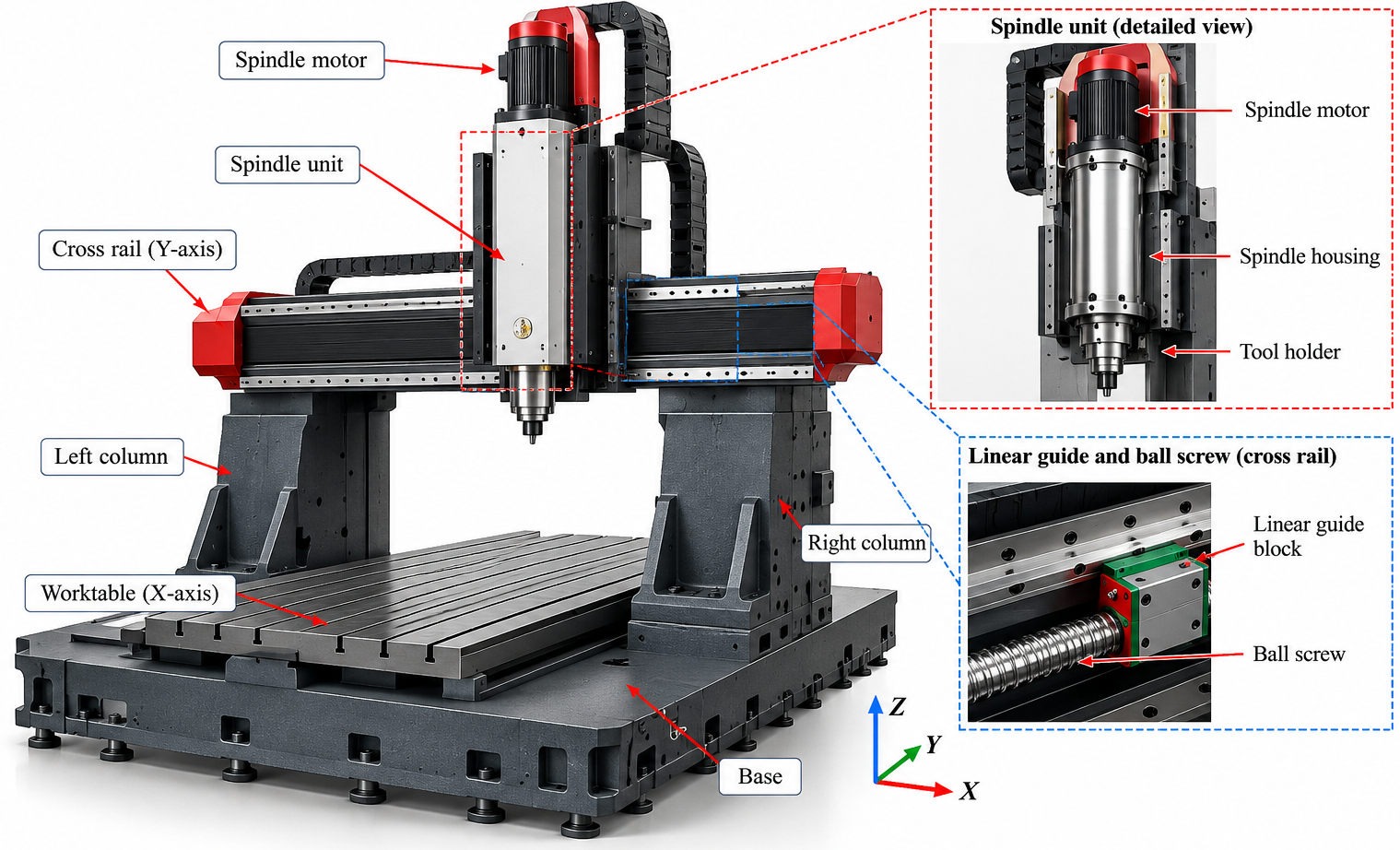
Large gantry machine tool with labelled spindle, cross rail, columns, table and drive components
Structural & Stress Analysis

Gantry Machine FEA Validation and Structural Optimization

Case study showing how structural FEA, physical stiffness testing and optimization were combined to identify flexible machine regions and guide a lighter, better supported redesign.

View case study
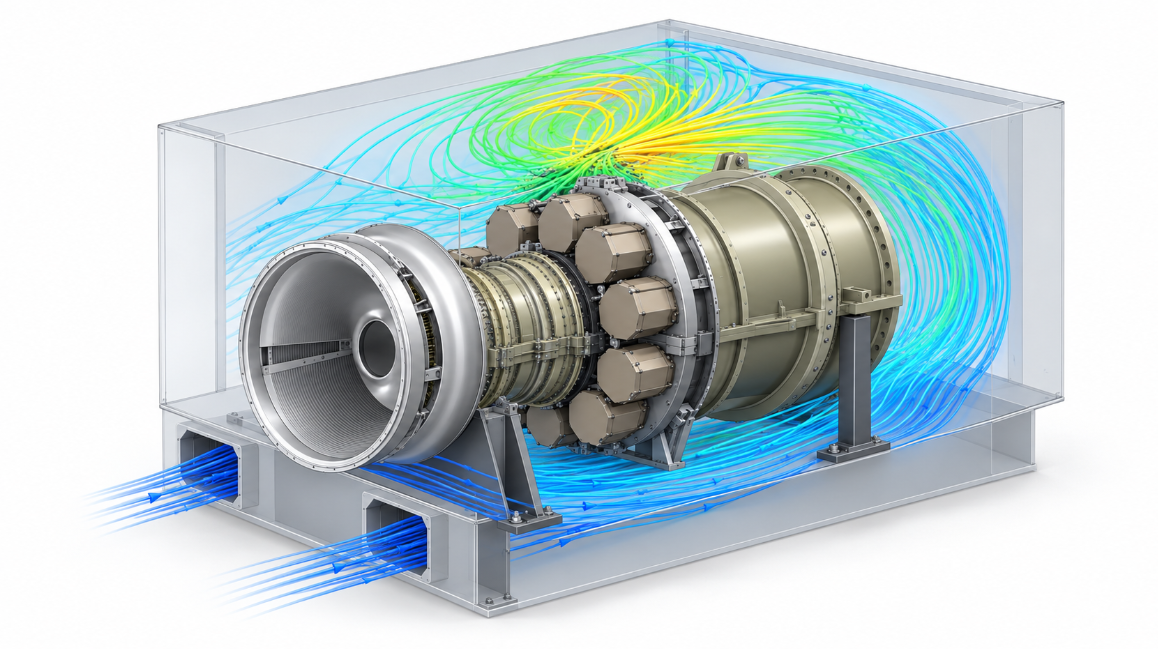
Compressor system with enclosure airflow streamlines
Thermal Analysis

Industrial Compressor Thermal Distortion

A Fabrixon engineering case study showing how CFD and thermal analysis traced compressor casing distortion to nonuniform enclosure cooling and differential thermal growth.

View case study
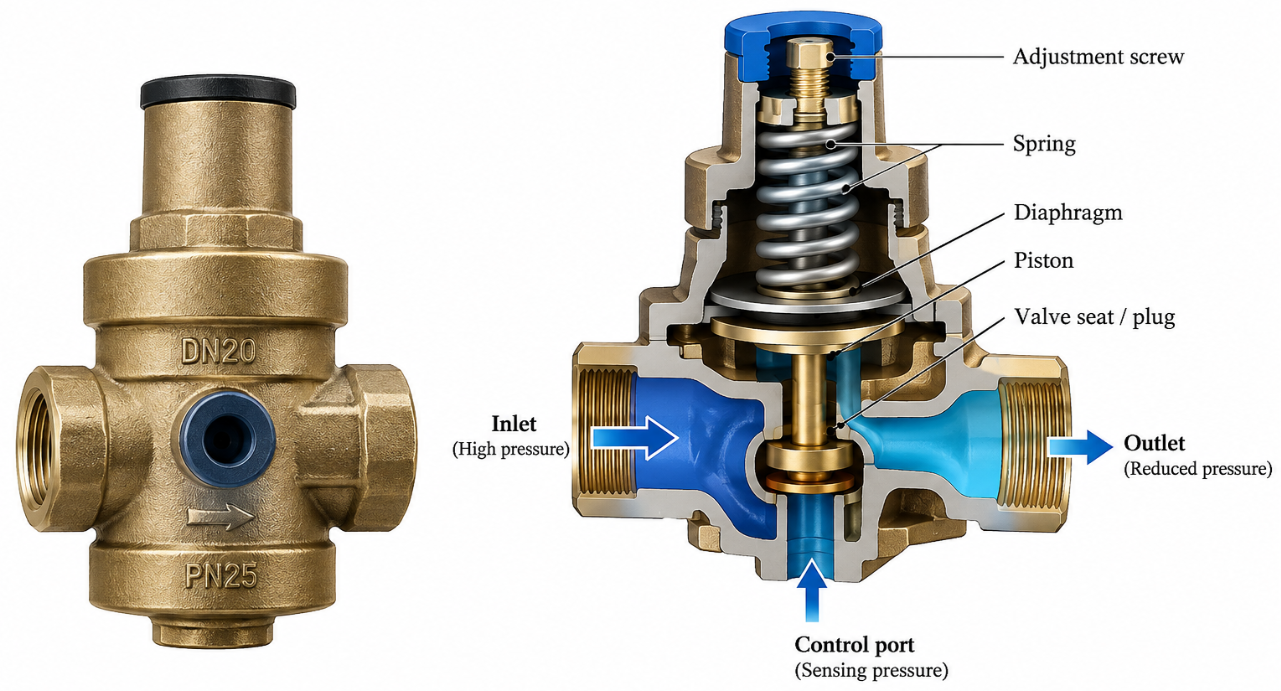
Direct acting pressure reducing valve with cutaway view showing spring, piston, valve seat, inlet, outlet and control port
Fluid Flow CFD

Direct Acting Pressure Reducing Valve CFD Validation

Case study showing how steady state CFD, force balance modelling and hydraulic testing were combined to predict pressure reducing valve behaviour and validate pressure regulation performance.

View case study
Abdullah Afan

Technical leadership

Design Validation Technical Lead

Abdullah Afan

Simulation & Validation Engineer

Supports engineering validation across structural, fatigue, modal, thermal and fluid flow analysis, helping translate simulation results into practical design decisions and documented engineering evidence.

LinkedIn

How engagements work

From analysis question to reviewable evidence

A defined engagement path keeps the analysis basis, technical checkpoints and commercial scope clear before the report is issued.

01

Share the problem

Share the CAD, drawings, operating conditions, load cases and validation question so the analysis objective and required evidence are clear.

02

Confirm method and inputs

Confirm the analysis method, assumptions, missing inputs, deliverables, review points and acceptance basis before the model is prepared.

03

Prepare, solve and review

Prepare the model, solve the agreed cases and review key assumptions, intermediate findings and design risks at the technical checkpoint.

04

Report and hand over

Issue the controlled report and agreed result files, with engineering interpretation, reviewer clarification and scoped revisions where required.

Two ways to engage: a defined standalone validation scope with a clear endpoint, or recurring validation capacity for changing engineering priorities.

Typical deliverables

A reviewable validation package

Deliverables are structured around the engineering question so the assumptions, setup, results and conclusion can be followed by the client team or technical reviewer.

Analysis basis · setup · mesh evidence · result plots · interpretation · recommendations

REPORT

Analysis report

Methodology, assumptions, load cases, setup, key results, conclusions and engineering interpretation issued as a controlled report.

SETUP

Loads, materials and boundary conditions

Applied loads, material properties, constraints, contacts, simplifications and acceptance criteria documented so the model basis can be reviewed.

MESH

Mesh and solution evidence

Mesh strategy, critical region refinement, element quality and convergence or sensitivity evidence where appropriate to the agreed study.

RESULTS

Critical result plots

Stress, deformation, fatigue, frequency, temperature, pressure, velocity or flow distribution results selected around the decision the study needs to support.

ACTION

Engineering recommendations

Risk areas, design changes, weight reduction opportunities, further checks or redesign recommendations tied directly to the analysed behaviour.

FILES

Model and result files

Analysis geometry, result exports and native solver files where these are included within the agreed commercial scope.

Questions technical buyers ask

Frequently asked questions

What is the difference between FEA and CFD?+

FEA predicts how solid structures respond to loads, including stress, deformation, stiffness, fatigue and vibration. CFD predicts fluid behaviour, including flow, pressure drop, airflow, cooling, heating and heat transfer. Some projects require both.

What information do you need to start an FEA or CFD analysis?+

Useful inputs include CAD, drawings, material data, loads, operating conditions, constraints, expected failure modes, acceptance criteria and the decision the study must support. Missing inputs are identified before the method is confirmed.

Can you validate a design created in house or by another engineering firm?+

Yes. Standalone validation is a core service. Fabrixon reviews the available model, drawings and operating information, then develops an independent setup and documented engineering assessment around the agreed question.

Do you provide structural FEA, fatigue, thermal, modal and CFD analysis?+

Yes. Fabrixon provides structural and stress analysis, fatigue and durability studies, modal and vibration analysis, thermal analysis and fluid flow CFD. The exact method depends on the design, operating conditions, available data and required decision.

How do you make sure an analysis is technically defensible?+

A defensible study starts with realistic loads, suitable boundary conditions, appropriate material properties and a mesh strategy matched to the problem. The report documents the setup, assumptions, checks, results, engineering interpretation and recommendations so the reasoning can be reviewed.

Can an FEA or CFD report support CE marking, type approval or technical file evidence?+

An FEA or CFD report can contribute engineering evidence to a technical file, CE pathway, type approval review, certification process or internal approval where the analysis is relevant. Final conformity, certification or approval remains with the manufacturer, client or relevant authority.

How is a validation project priced, and how long does it take?+

Most defined studies can be quoted as a fixed price scope once the analysis question and inputs are understood. A focused study may take days, while multipart, nonlinear or multiphysics work can take several weeks. The proposal confirms methodology, deliverables, assumptions, review points, schedule and price before work begins.


Next step

Need engineering evidence before design release?

Send the CAD model, drawings, load cases or operating conditions. Your first conversation is with an engineer who can review the analysis question, flag missing inputs and advise the next practical step.

Send a short validation enquiry

A brief outline is enough to start the conversation.

Reviewed by an engineer. NDA available where required.