For machinery OEMs, manufacturers and engineering teams

Design for Manufacturing and Assembly

DFM, DFA, tolerance, supplier and manufacturability cost reviews for industrial machinery, equipment and fabricated assemblies before quotation, tooling, fabrication or supplier release.

DFM review DFA review Tolerance review Supplier and cost review

Manufacturability review capability

Engineering review before expensive design decisions are locked

Fabrixon reviews the design against the intended manufacturing and assembly route, then traces findings back to the specific feature, tolerance, material, interface or assembly step creating the risk.

01

Production route

Manufacturing feasibility reviewed around the intended process, including machining, fabrication, sheet metal forming, moulding and related supplier constraints where relevant.

02

Assembly method

Part count, fasteners, joining, access, handling, orientation and sequence reviewed against the way the equipment or assembly will actually be built.

03

Tolerance and supplier clarity

Dimensions, datum strategy, tolerances, notes, inspection requirements and supplier capability checked for clarity and practical manufacturability.

04

Traceable findings

Recommendations are tied to affected parts, features, drawing notes and assembly steps so engineering and supplier teams can assign and close actions.

Review scope

Manufacturability review services

These review scopes are delivered directly within this pillar. Each can stand alone or be combined around the design, manufacturing route and decision your team needs to support.

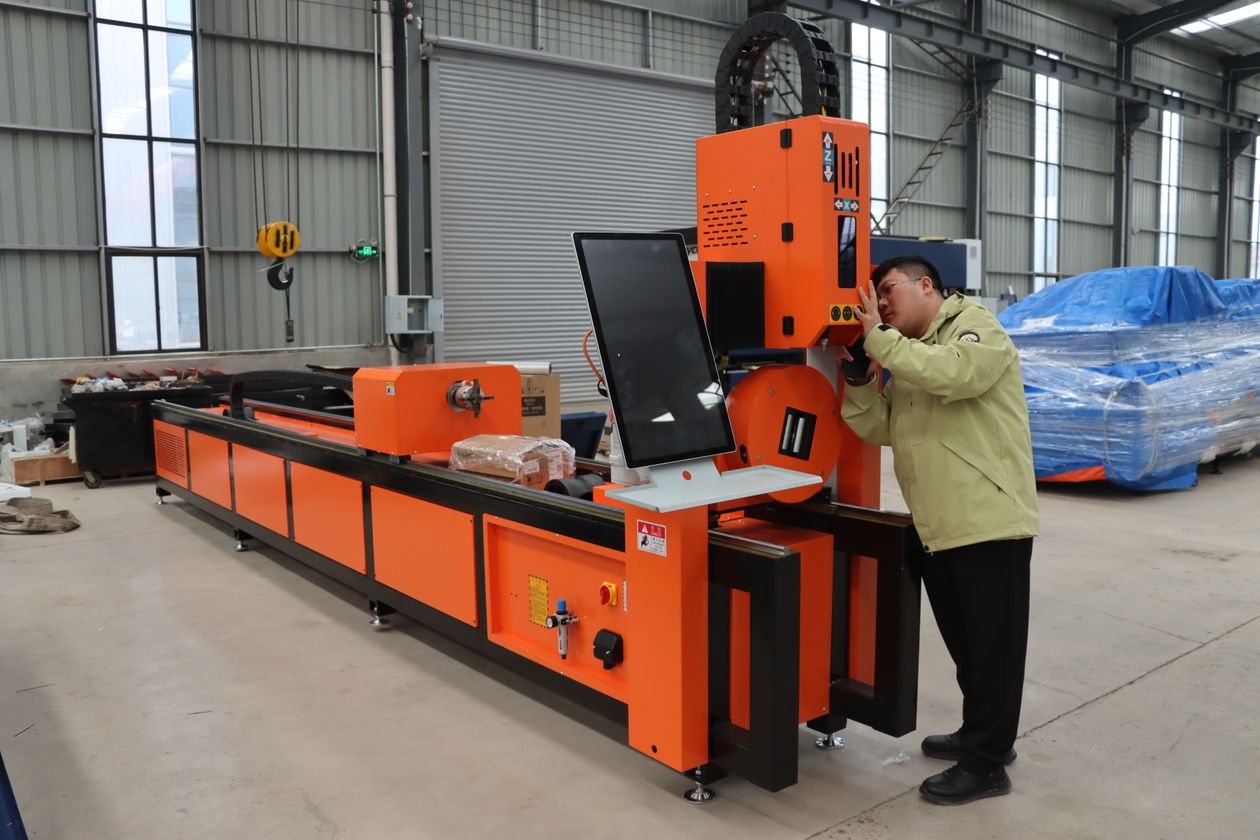
Engineer working directly with CNC manufacturing equipment in an industrial workshop
01

Manufacturing feasibility

Design for Manufacturing Reviews

Assess whether a part, assembly or fabricated design suits the intended manufacturing process without avoidable complexity, cost or supplier risk.

What we assess

  • Material and process suitability
  • Machining and fabrication feasibility
  • Tool and weld access
  • Tolerance and inspection needs
  • Process capability
  • Supplier constraints

Risks we identify

  • Over specified tolerances
  • Avoidable setups or operations
  • Poor tool, weld or fastener access
  • Process unsuitable features
  • Unclear drawing or inspection needs
  • Supplier cost and risk drivers
Controlled outputs

Prioritised findings register · Annotated CAD or drawing markups · Recommended design changes · Supplier clarification points · Affected feature traceability · Defined close out actions

Best used when

Before quotation, tooling, fabrication, drawing issue or redesign following supplier feedback.

Typical inputs

CAD, drawings, materials, intended manufacturing route, quantities, supplier limitations and known cost or production concerns.

Discuss this review →
Hands assembling precision mechanical hardware with tools
02

Assembly efficiency

Design for Assembly Reviews

Evaluate whether an assembly can be built, handled, accessed, serviced and error proofed efficiently without avoidable labour, part count or sequencing risk.

What we assess

  • Part count and consolidation
  • Fastening and joining methods
  • Assembly sequence
  • Tool and service access
  • Handling and orientation
  • Error proofing opportunities

Risks we identify

  • Unnecessary parts or fasteners
  • Difficult hand or tool access
  • Inefficient assembly sequence
  • Handling or orientation constraints
  • Service and adjustment conflicts
  • Labour or assembly error drivers
Controlled outputs

Prioritised DFA findings register · Annotated assembly views · Part consolidation opportunities · Fastening and access recommendations · Sequence improvements · Defined close out actions

Best used when

During concept development, detailed design, prototype review, assembly trials or redesign of labour intensive equipment.

Typical inputs

CAD assemblies, drawings, current assembly sequence, joining methods, tools, handling constraints, service requirements and known production issues.

Discuss this review →
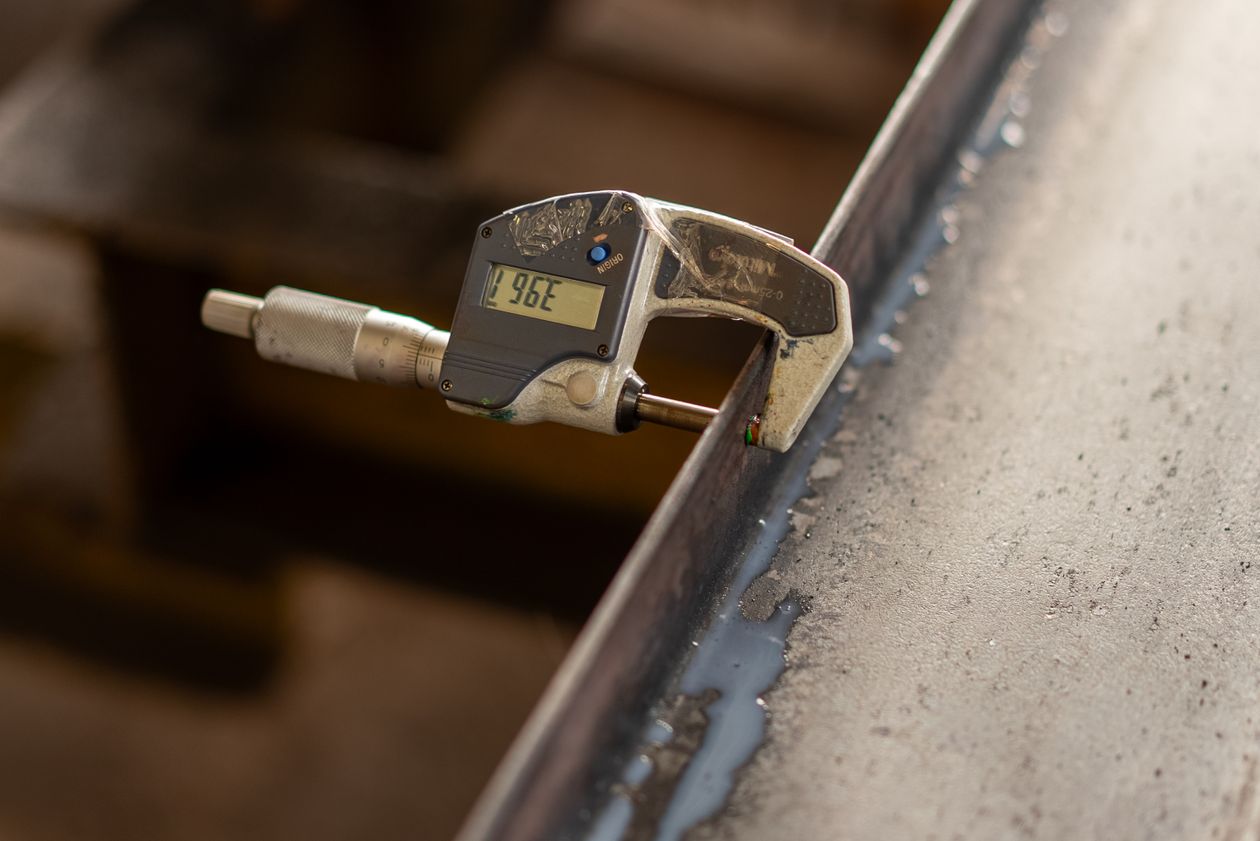
Digital caliper measuring a precision metal component
03

Drawing and supplier clarity

Tolerance and Supplier Review

Check that dimensions, tolerances, notes and supplier requirements are clear, necessary, inspectable and suitable for the intended manufacturing process.

What we assess

  • Tolerance stacks
  • Datum strategy and dimensions
  • Material and weld notes
  • Inspection requirements
  • Supplier capability
  • Drawing and process assumptions

Risks we identify

  • Unnecessary precision
  • Conflicting dimensions
  • Weak datum definition
  • Unclear acceptance criteria
  • Difficult inspection methods
  • Supplier dependent specs
Controlled outputs

Marked up engineering drawings · Tolerance recommendations · Supplier clarification points · Inspection considerations · Questions linked to affected notes · Updates for controlled drawing issue

Best used when

Before quotation, drawing issue, supplier transfer, inspection planning or resolution of repeated supplier questions.

Typical inputs

Drawings, CAD, mating interfaces, functional requirements, supplier capability, inspection method, material specifications and known tolerance concerns.

Discuss this review →
Engineer reviewing manufacturing operations on a tablet inside an industrial factory
04

Cost driver review

Manufacturability Cost Reviews

Identify how materials, tolerances, features, process choices, assembly steps and supplier dependency influence manufacturing and assembly cost.

What we assess

  • Material grade and utilisation
  • Tolerance driven process cost
  • Feature and weldment complexity
  • Setup count and tooling
  • Production volume and labour
  • Supplier dependency and options

Risks we identify

  • Nonfunctional precision
  • Supplier limited features
  • Complex weldments or material waste
  • Excessive setups or process stages
  • Limited supplier competition
  • Avoidable production steps
Controlled outputs

Prioritised cost driver register · Design alternatives · Process constraints · Supplier considerations · Assumptions made visible · Impact estimates where data supports them

Best used when

When quotations exceed target, margins are under pressure, production volumes change or redesign is required before supplier commitment.

Typical inputs

CAD, drawings, materials, production route, expected volume, supplier quotations or estimating data, labour assumptions and known cost targets.

Discuss this review →

Common review scenarios

When clients bring us in

Review work reaches Fabrixon at different stages. These are the four situations that most often start the conversation.

01

A design needs review before supplier release

A CAD model or drawing package needs DFM, DFA, tolerance or supplier review before quotation, tooling, fabrication or internal issue.

02

Manufacturing cost is being driven by the design

Tolerance choices, material grade, feature complexity, weldment detail or supplier dependency may be increasing cost unnecessarily.

03

Assembly is too slow, difficult or error prone

Part count, fasteners, access, orientation sensitive parts, sequence constraints or handling issues are increasing assembly time or labour cost.

04

Supplier questions are delaying progress

Drawing notes, tolerances, material callouts, fabrication assumptions or unclear requirements are causing supplier queries, quotation delays or avoidable design changes.

Engineering approach

How we review the design

The review lifecycle behind each report, from defining the production route through traceable findings and controlled close out.

Industrial worker reviewing design information in a manufacturing environment
STAGE 01

Define the review question and production route

Agree what the review must establish, the intended manufacturing or assembly method, the acceptance criteria and the decision the review supports.

STAGE 02

Input and drawing review

CAD, drawings, materials, production process, assembly requirements, supplier constraints and existing review documentation are checked, with missing inputs flagged before findings work begins.

STAGE 03

Review against the production route

Manufacturability, assembly, tolerance, supplier and cost checks are run against the intended method, from machining and welding to sheet metal forming and equipment assembly.

STAGE 04

Trace and prioritise findings

Each finding is linked to the part, feature, tolerance, material, interface, supplier requirement or assembly step creating the risk, then prioritised by its effect on feasibility, cost, assembly or supplier clarity.

STAGE 05

Report and close out

Findings, recommendations, drawing comments and follow up checks are issued under revision control in a format the engineering team can assign, review and close.

Review work

Manufacturability review in practice

Engineering case studies covering conveyor DFMA, cooling-package assembly optimization and trailer design.

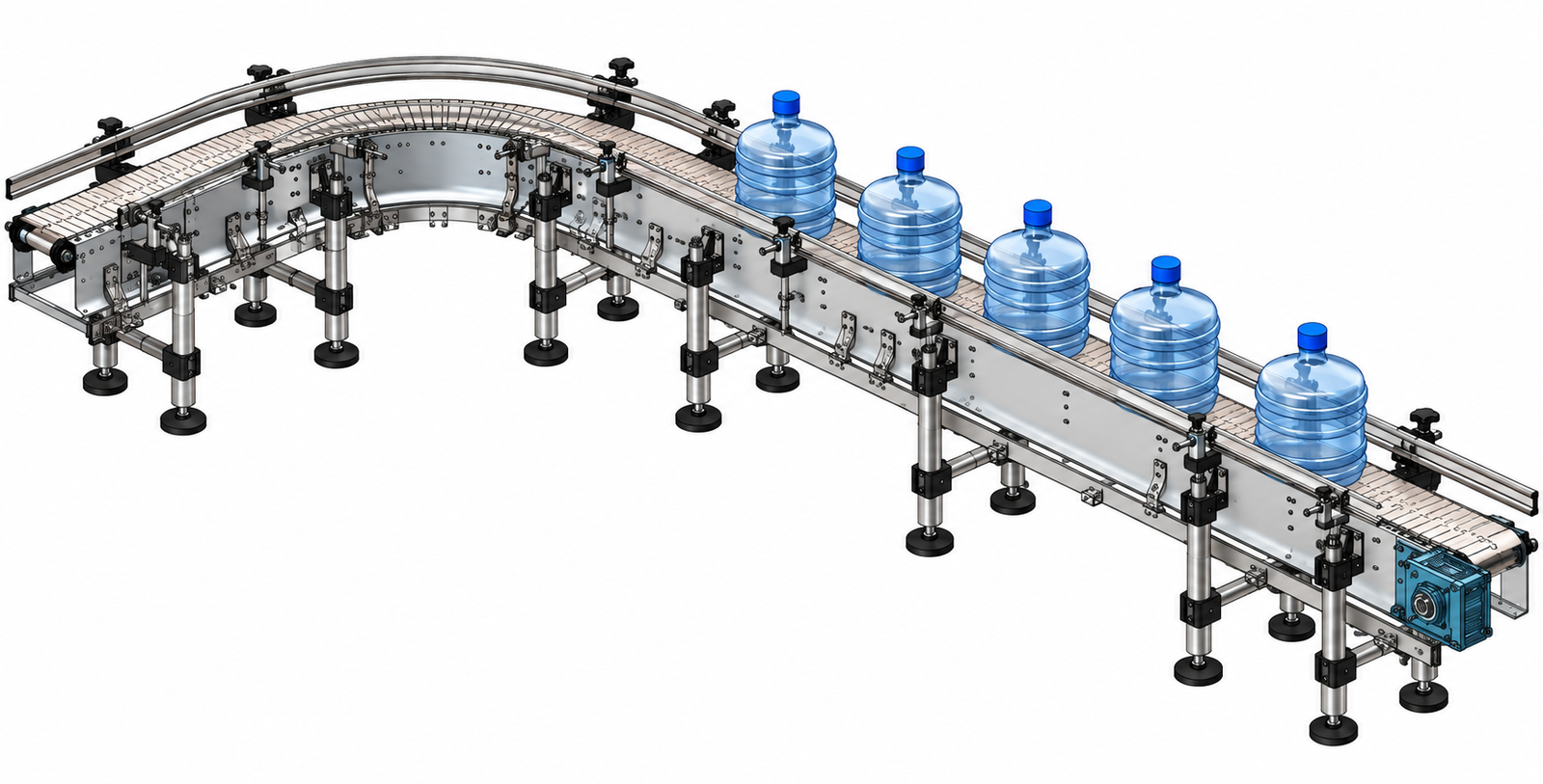
Curved table top chain conveyor carrying large bottles
DFM & DFA

Chain Conveyor DFMA Redesign

DFMA redesign of an existing table top chain conveyor using product structure analysis, structured concept selection, part integration and structural validation.

View case study
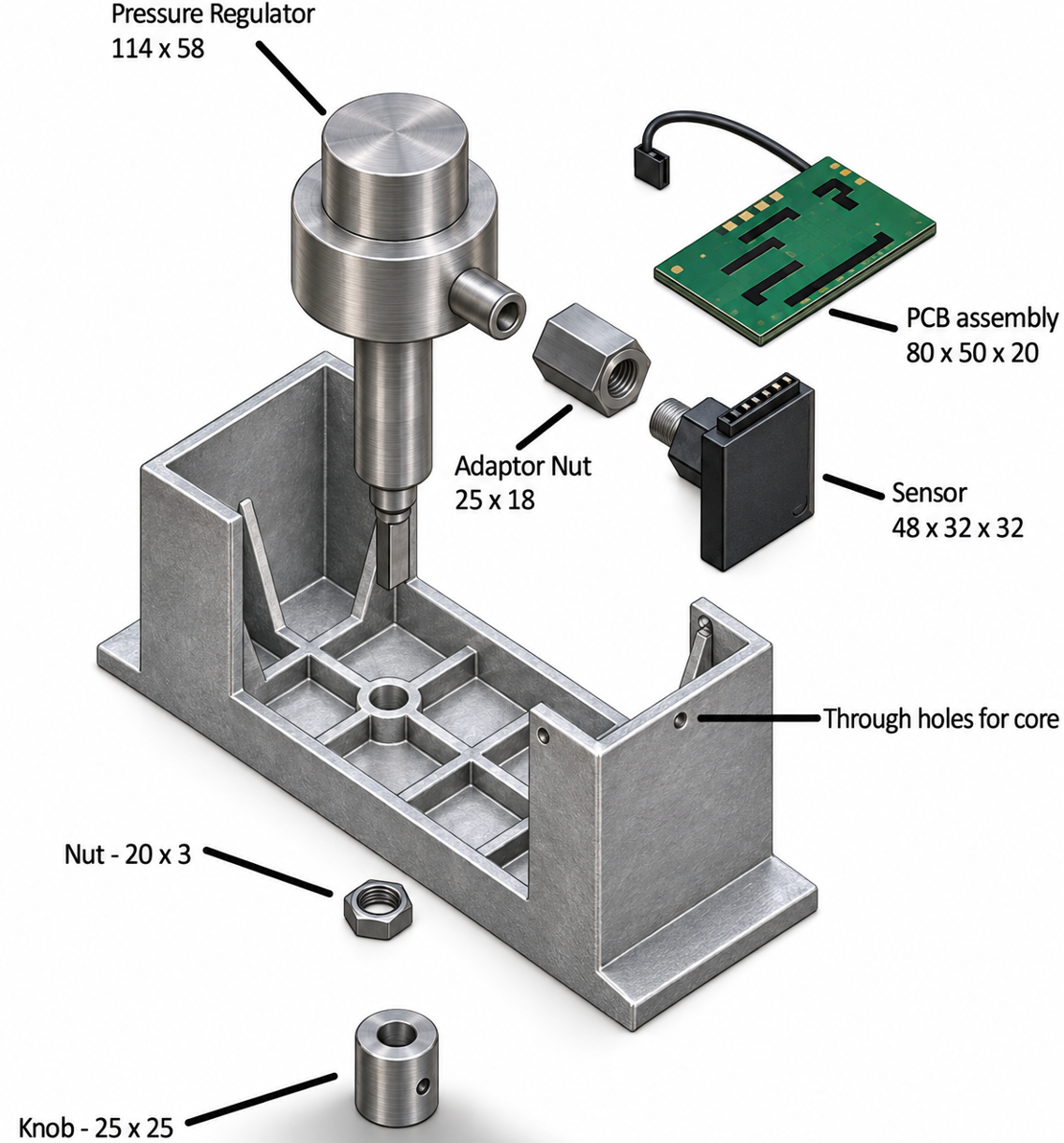
Representative tractor cooling package DFA concept image
DFM & DFA

Tractor Cooling Package DFA Optimization

Early stage DFA optimization of a tractor cooling package that reduced part count, fasteners, assembly time and total cost while improving design efficiency.

View case study
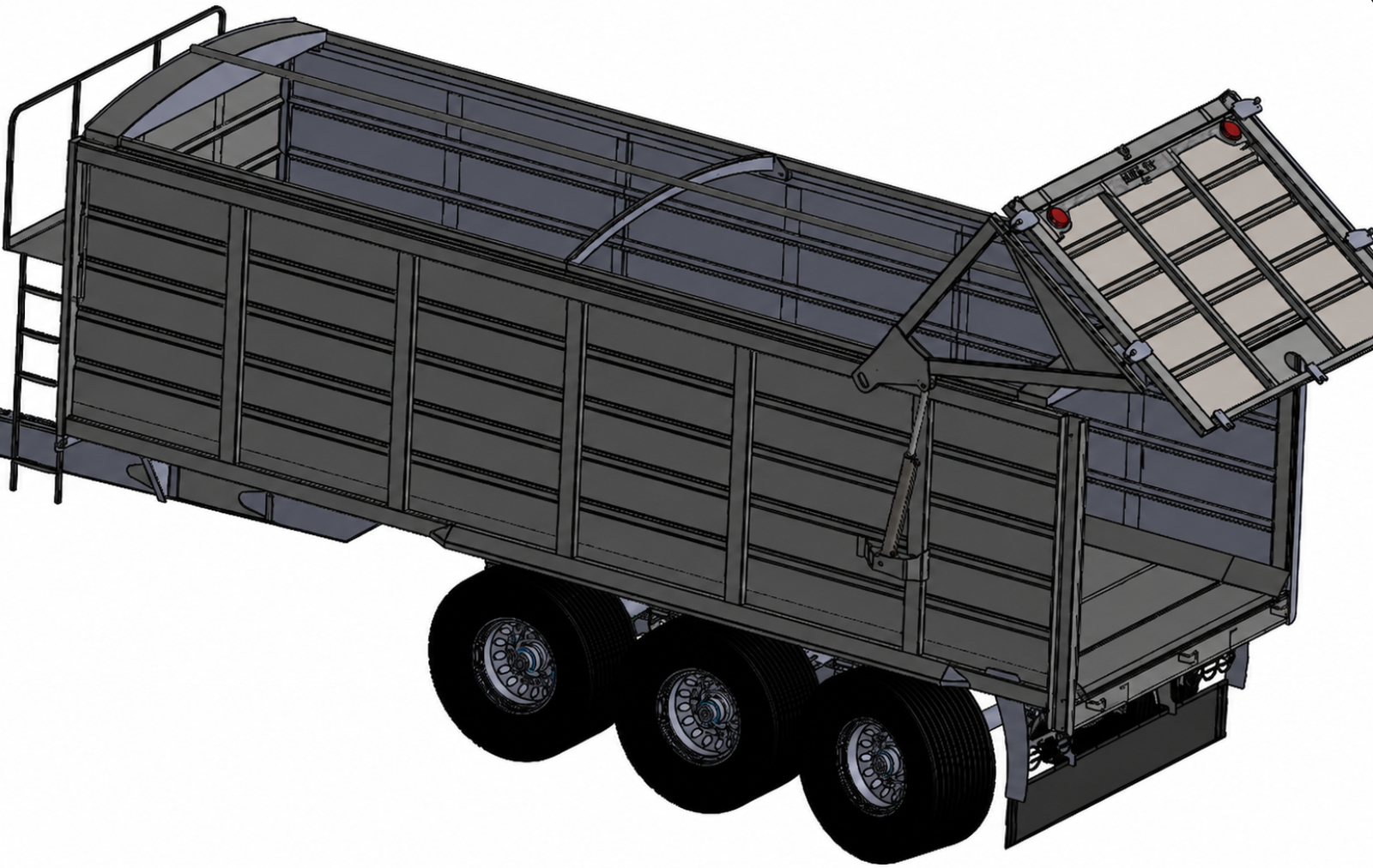
Triaxle silage trailer 3D CAD assembly with raised rear gate
Trailer Design and Engineering

Triaxle Silage Trailer Engineering

Engineering development of a triaxle silage trailer from legacy 2D layouts through 3D design, hydraulic rear gate integration, structural FEA, European type approval support and manufacturing documentation.

View case study
Nouman Haider

Technical leadership

Manufacturability Review Technical Lead

Nouman Haider

Engineering Project Manager

Coordinates engineering projects from requirements and planning through design review and delivery, helping align technical work, schedules and client priorities.

LinkedIn

How engagements work

From review question to controlled handover

A defined engagement path keeps the review basis, commercial scope, milestone findings and final close out clear from the start.

01

Scoping and proposal

Clarify the review question, production route, design maturity and required outputs, then confirm scope, assumptions, milestones, timing and commercial basis.

02

File and input review

Review CAD, drawings, materials, assembly information, supplier constraints and missing inputs before the detailed manufacturability assessment begins.

03

Review and milestone findings

Assess the design against the agreed production route and scope, raising priority findings at defined milestones rather than waiting until final reporting.

04

Report, handover and support

Issue the controlled review package, support clarification and supplier responses, then close agreed actions and update the review record.

Delivery basis: standalone reviews can be tightly scoped around one decision, while recurring review capacity can support supplier release, design variants and ongoing engineering backlogs.

Typical deliverables

A review package your team can close out

Outputs are structured so each finding can be traced to the design decision behind it, reviewed by engineering or supplier teams and incorporated into the next controlled issue.

DFM · DFA · tolerance · supplier notes · cost drivers · markups · close out actions

DFM

DFM Review Report

Manufacturability findings and design changes traced to specific parts, features, tolerances, materials and production routes.

DFA

DFA Review Report

Assembly sequence, part count, access, fastening, joining, handling and error proofing findings with practical improvement actions.

TOLERANCE

Tolerance and Supplier Notes

Drawing comments, tolerance changes, supplier clarification points, material concerns, inspection requirements and quotation risks.

COST

Manufacturability Cost Review

Identified cost drivers, alternatives and process constraints, with estimated impact where reliable supplier or estimating data exists.

MARKUPS

Annotated Models and Markups

Marked up drawings and CAD views identifying the feature, interface, tolerance or dimension behind each review finding.

HANDOVER

Review Summary and Handover

Prioritised actions, assumptions, open questions, revision status and follow up checks prepared for engineering close out.

Questions technical buyers ask

Frequently asked questions

What is the difference between DFM and DFA?+

DFM assesses whether a design can be manufactured efficiently using the intended process. DFA assesses how efficiently and reliably it can be assembled, including part count, access, fasteners, joining, handling, sequence and error proofing.

What is included in a DFM review?+

A DFM review can cover process fit, material selection, tolerances, feature complexity, machining or fabrication feasibility, supplier constraints, cost drivers and design changes tied to specific parts or features.

What is included in a DFA review?+

A DFA review can cover part count, fastener reduction, assembly sequence, access, orientation, joining methods, serviceability, handling and opportunities to reduce labour or assembly error risk.

What is a tolerance and supplier review?+

It checks whether drawings, tolerances, material callouts, weld notes, inspection requirements and manufacturing assumptions are clear and appropriate for quotation, manufacture, inspection and supplier clarification.

What is a manufacturability cost review?+

It identifies how tolerances, material grade, feature complexity, fabrication method, process steps and supplier dependency affect cost. Estimated impact is included only where reliable data and assumptions are available.

Do you provide DFMEA or PFMEA services?+

Fabrixon does not provide standalone DFMEA or PFMEA services. Where a client led DFMEA is already in progress, we can contribute DFM and DFA findings, tolerance observations, validation evidence and mechanical design risk notes.

What inputs do you need and how long does a review take?+

Useful inputs include CAD, drawings, materials, the production route, supplier constraints, assembly information, known concerns and the required output. Timing depends on design complexity, review depth, available inputs, part count and deliverables.


Next step

Need a DFM or DFA review before supplier release?

Share the CAD model, drawings, production route or supplier concern. An engineer will review the starting point, identify missing inputs and recommend the review scope that fits the decision you need to make.

Send a short review enquiry

A brief outline is enough to start the conversation.

Reviewed by an engineer. NDA available where required.