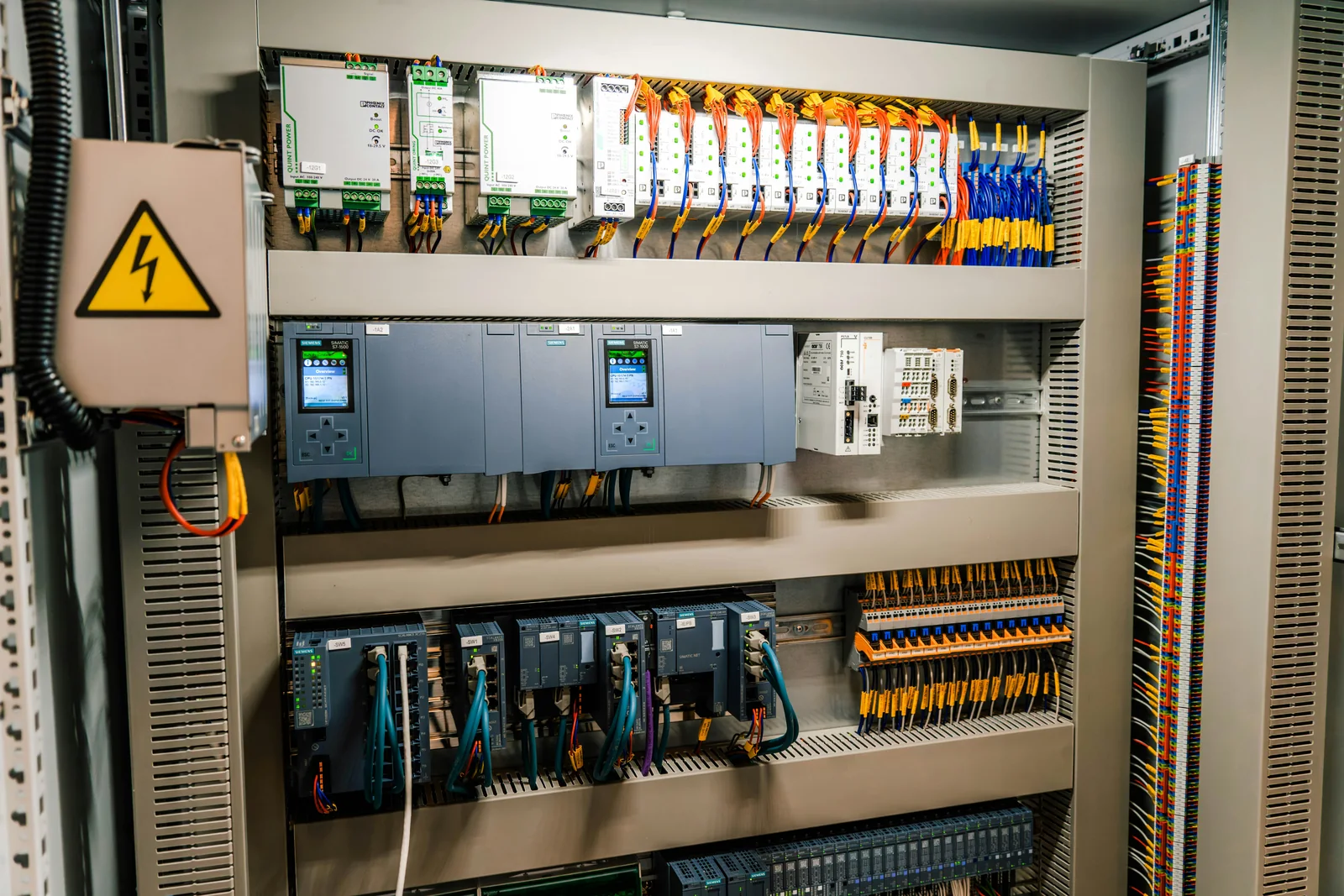
Machine Electrical Schematics
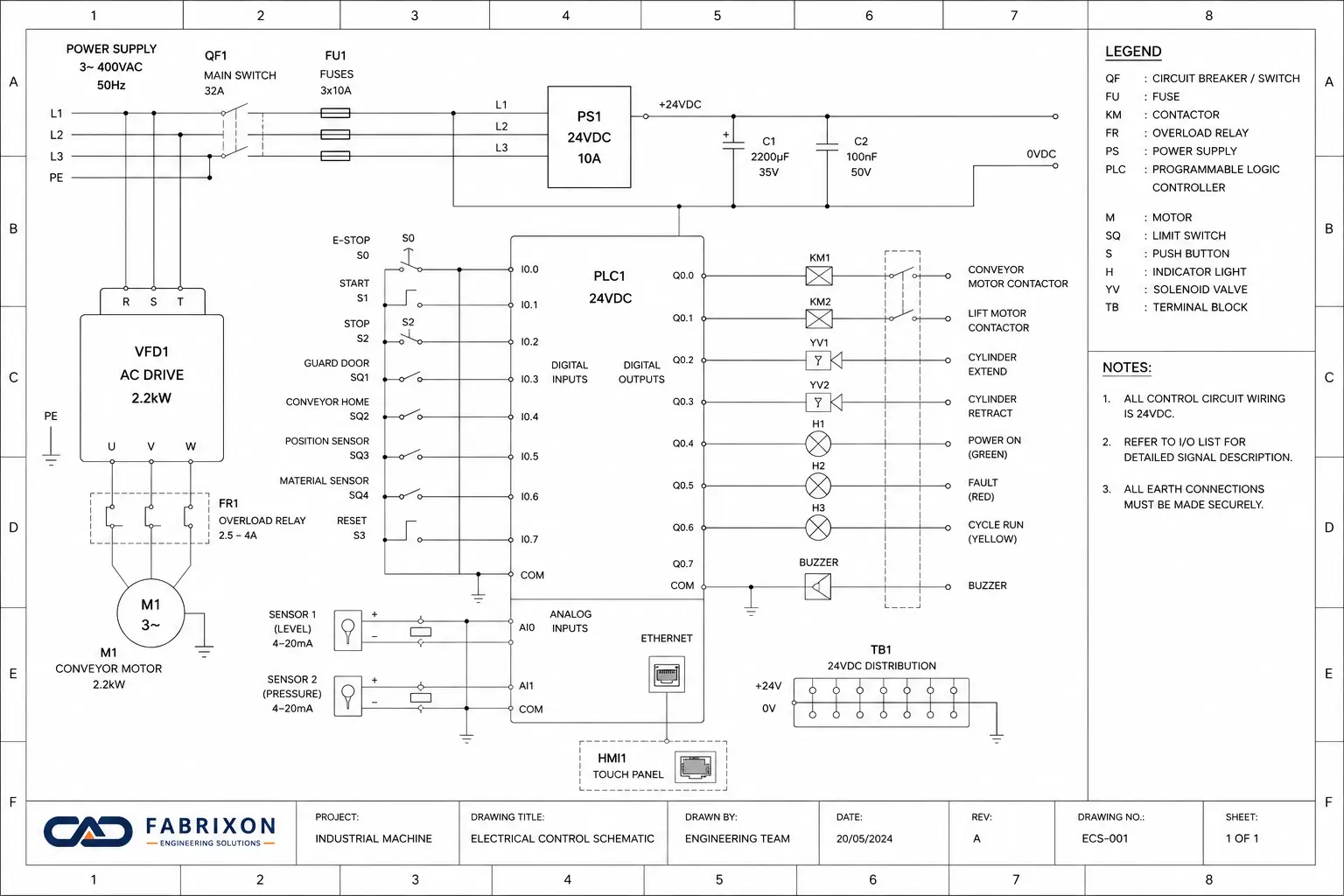
Power and control schematics developed around machine functions, devices, circuits, terminals, designations and downstream wiring responsibilities.

Machinery electrical engineering
Electrical design and documentation for industrial machinery and automation equipment, including schematics, control panel layouts, motor and drive selection, sensors, I/O lists, cable schedules and electrical BOMs. Fabrixon coordinates the electrical package with the machine functions, mechanical interfaces and downstream controls responsibilities.
Machinery, automation, electrical documentation, validation and coordinated technical delivery
Machine electrical schematics, panel layouts, device coordination and controlled documentation
Schematics, panels, drives, sensors, schedules and electrical documentation
From machine electrical basis through controlled documentation and handover
Electrical engineering capabilities
From a new machine electrical package to a panel update or documentation recovery scope, the work is developed around machine function, supply conditions, device duty, target market, controls interfaces and downstream handover responsibilities.
Integrated machinery electrical programme
Machine functions, circuits, panel arrangement, motors, drives, sensors, I/O and documentation are coordinated around the same operating basis. Interfaces with mechanical, controls and panel teams remain explicit as the package develops.
Power and control schematics developed around machine functions, devices, circuits, terminals, designations and downstream wiring responsibilities.
Panel arrangements developed around the component set, segregation, heat, wiring space, service access, spare capacity and enclosure interfaces.
Motor, drive and protection selections coordinated with the real mechanical load, speed, acceleration, duty cycle, supply and supplier data.
Sensors and instrumentation selected and coordinated around machine function, target condition, environment, mounting, signal and controls interface.
Structured schedules connecting field devices, terminals, panels, controls and procurement information under revision control.
Documentation organised against the agreed machinery scope, target market, applicable standards basis and defined specialist responsibilities.
Common electrical project risks
Electrical projects become difficult when machine functions, device duty, panel constraints or responsibility boundaries are not resolved early enough for schematic, panel, controls and build teams to progress from the same information.
Loads, operating modes, devices, supply conditions, interfaces or target-market requirements may still be unclear.
Selections made from nominal ratings alone can miss acceleration, duty cycle, environment, mounting, response and mechanical load conditions.
Panel builders and controls engineers can receive incomplete designations, terminals, device data, I/O information or layout constraints.
A retrofit, replacement device, new product or documentation gap can affect circuits, panel space, field wiring and controls interfaces.
Engineering approach
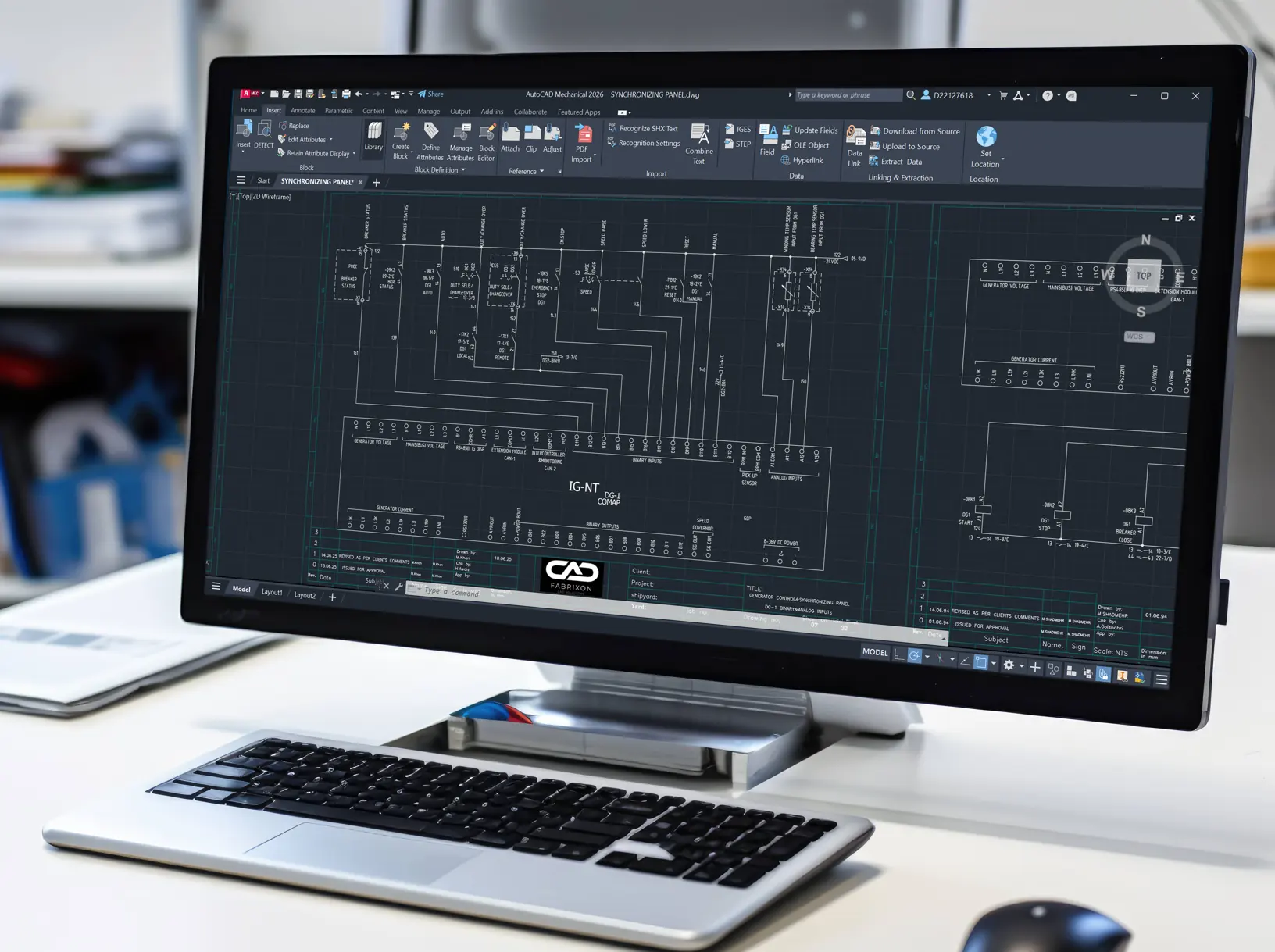
Machine electrical design cannot be treated as a disconnected drawing task. Circuits, panels, motors, drives, sensors, terminals and schedules need to reflect the actual machine functions and the responsibilities of controls, panel and installation teams.
Operating sequence, supply, loads, motors and actuators, sensors, target market, existing information, controls architecture and responsibility boundaries.
Power distribution, control circuits, panel basis, device designations, terminals, protection strategy and key interfaces with the machine and controls system.
Selections are checked against load, motion, cycle, environment, response, mounting, supply and supplier limitations rather than nominal ratings alone.
Schematic consistency, component arrangement, I/O, cable information, safety-device interfaces, standards basis and downstream responsibilities are reviewed before handover.
Schematics, panel information, specifications, I/O lists, cable schedules, electrical BOMs, assumptions, revisions and clarification records are issued as the agreed controlled package.
Relevant machinery project context
These projects show the machinery, sensing, drive and device interfaces that an electrical package must coordinate. Published case studies should identify the exact electrical scope delivered within each engagement.
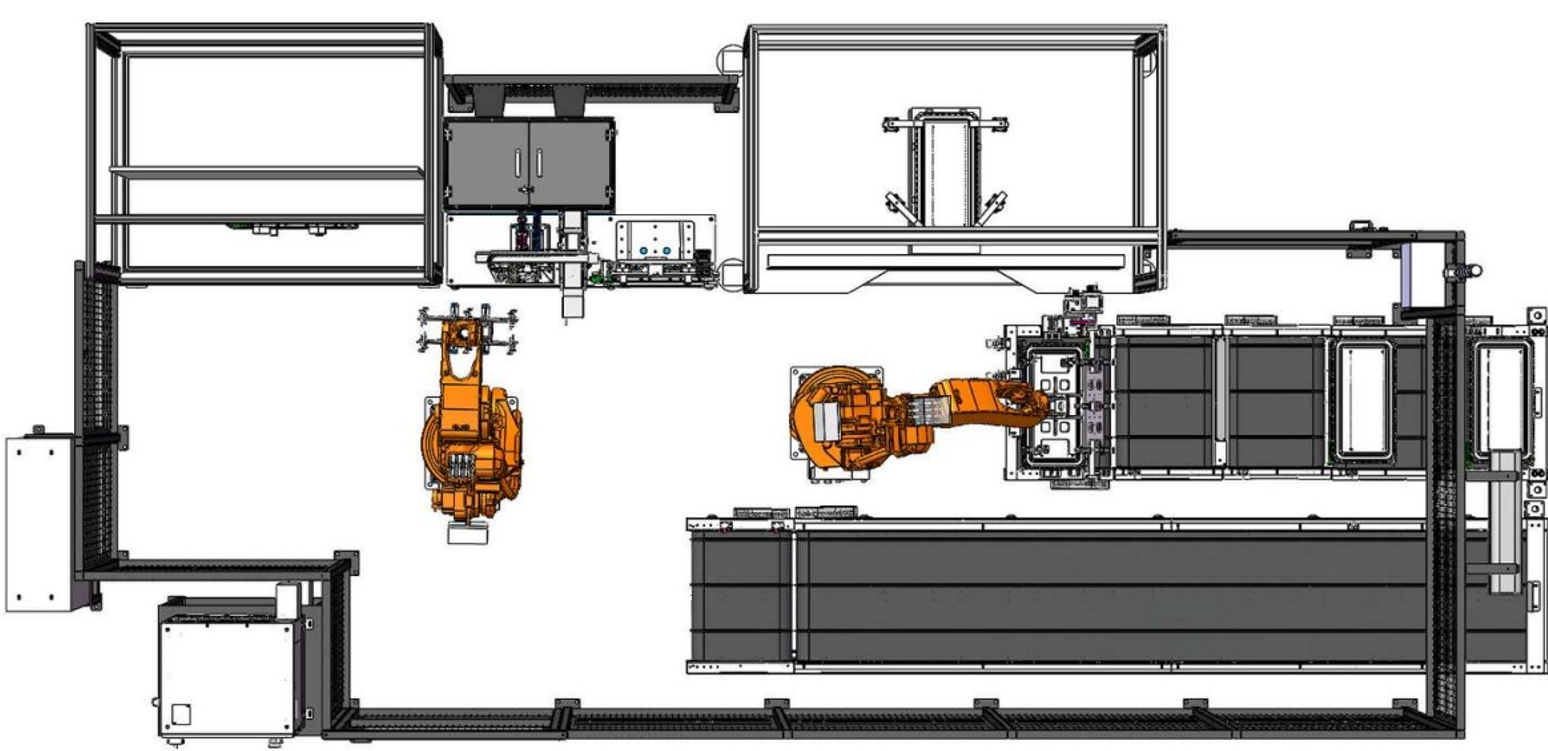
Mechanical integration of OEM process modules, twin robots, conveyors and safety infrastructure into a production workcell.
View case study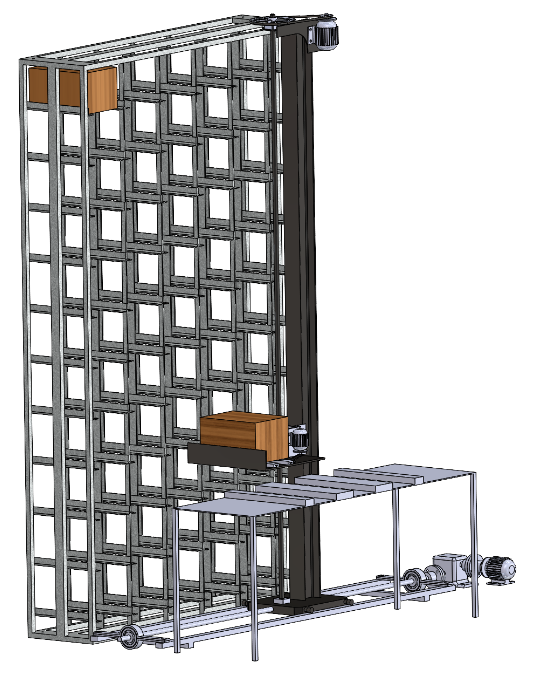
Mechanical design of a single aisle ASRS with structural rack, stacker crane, telescopic fork and discharge integration.
View case study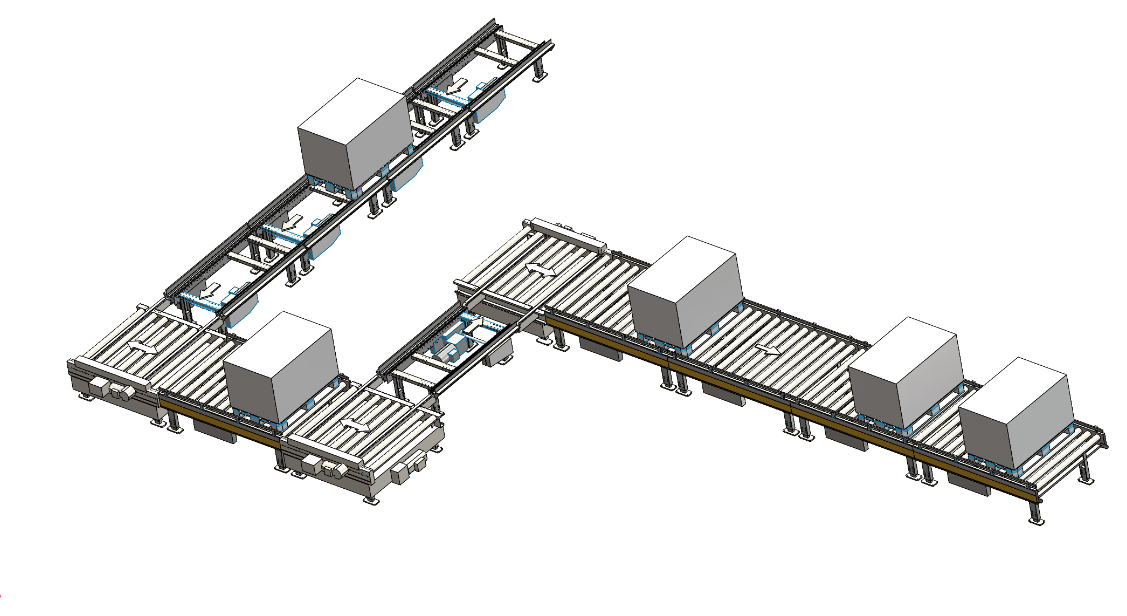
Mechanical engineering of interconnected horizontal and multi level pallet handling systems for reliable Euro pallet flow, buffering and level transfer.
View case studySpecialist engineering review
Electrical work is reviewed against the real machine operating basis and the needs of the downstream panel, controls and manufacturing teams. The objective is to challenge the assumptions most likely to cause device, integration or documentation problems.
Review of machine function, supply conditions, motors and actuators, devices, duty, environment, operating modes, standards basis and existing documentation.
Review of schematics, distribution, protection, drives, sensors, terminals, panel arrangement, heat, access, mechanical mounting and controls interfaces.
Review of designations, I/O, cable schedules, BOMs, assumptions, revisions, safety-device interfaces and information required by the panel builder, controls team and responsible manufacturer.
Typical deliverables
Outputs are agreed around the machine basis and downstream responsibilities so schematics, panel information, device specifications, schedules and revision records remain aligned for panel, controls and machinery handover.

Schematics · panels · specifications · I/O · cable schedules · BOMs · revision control
Power and control schematics with device designations, terminals, wire numbers, cross references and agreed native or PDF files.
Component placement, rail and duct arrangements, terminals, service access, spare capacity and enclosure interface information.
Motor, gearbox, drive, protection, sensor and instrumentation selections supported by the agreed load and duty basis.
Signal types, terminal designations, cable information, routing assumptions and spare-capacity records for downstream coordination.
Structured device and procurement information with supplier references, ratings, quantities and clarification notes.
Standards basis, assumptions, open actions, change records, documentation review notes and panel or controls clarification information.
How engagements work
A clear engagement path keeps machine functions, supply, standards basis, interfaces, responsibilities and required outputs defined without turning the page into a process manual.
Send the machine brief, sequence, mechanical CAD, existing schematics, device information, panel details and target market.
Agree functions, supply, loads, devices, controls interfaces, standards, responsibilities, outputs and review points.
Schematics, panel information, device selections and schedules progress through defined reviews with interface and documentation issues raised as they surface.
Agreed native and PDF files, schedules, BOMs, assumptions, revision records and clarification information are issued under controlled release.
Useful starting inputs: machine function, operating sequence, supply information, motors and actuators, sensors, purchased equipment, target market, existing schematics or panel drawings, mechanical CAD, controls architecture and required outputs.
Buyer questions
Direct answers to the technical and commercial questions that most often determine whether a machinery electrical project can be scoped correctly.
The scope can include machine electrical schematics, control panel layouts, motor and drive selection, protection device specification, sensors and instrumentation interfaces, I/O lists, cable schedules, electrical BOMs, revision records and documentation support. The exact work package depends on the machine, target market, available information and responsibilities agreed before work begins.
Useful starting information includes the machine function, operating sequence, supply information, motors and actuators, sensors, purchased equipment, target market, existing schematics or panel drawings, mechanical CAD, device preferences, controls architecture and required outputs. Missing inputs are identified during the initial engineering review.
Yes. Electrical engineering can be coordinated with a Fabrixon machinery or automation design programme, or delivered as a defined standalone scope where the client retains the mechanical design, controls integration or manufacturing responsibilities. Interfaces and information ownership are documented in the proposal.
These activities are not standard Fabrixon services. PLC and HMI programming, controls integration, panel manufacture, field installation and commissioning remain with the client, panel builder, controls integrator or an approved specialist unless a separate responsibility is explicitly agreed.
Fabrixon can support safety device interfaces, electrical documentation and safety circuit engineering through a suitably competent electrical or functional safety engineer where separately scoped. Full PLr or SILCL determination, safety related control system design, verification and validation are not presented as standard deliverables. Declarations, listing and certification remain with the responsible manufacturer and relevant assessment organisations.
Yes. The documentation basis can consider IEC 60204 Part 1, IEC 61082, NFPA 79, UL 508A design requirements and other agreed project standards. The applicable market, panel builder responsibilities, listing route and certification boundaries are confirmed before detailed work begins.
Cost and duration depend on the starting information, number of machines or panels, device count, documentation condition, standards basis, review cycles and the required level of coordination with mechanical, controls and panel teams. Fabrixon reviews the available information first and then issues a proposal defining the scope, assumptions, deliverables, programme and commercial basis.
Next step
Share the machine function, existing schematics, panel information, device list or electrical documentation requirement. An engineer will review the starting point and confirm the most practical design and documentation scope.
A brief outline is enough to start the conversation.